
Ever wait for an important email…
and it just never shows up?
So you start thinking:
- maybe they forgot
- maybe internet broke
- maybe your email app is acting weird
Then somebody says:
“Did you check your spam folder?”
And honestly?
That tiny folder has probably caused more confusion than almost anything else in email history.
Because sometimes spam folders save you from:
- scams
- viruses
- fake emails
But other times?
They randomly hide:
- job offers
- school emails
- customer replies
- password resets
- important business messages
Super annoying honestly.
Let’s break down what the spam folder actually is, how it works, and why your perfectly normal emails sometimes disappear into it for no obvious reason.
What Is the Spam Folder?
The spam folder is basically:
a holding area for suspicious emails.
Email providers automatically move messages there when they think:
- something looks unsafe
- message feels spammy
- sender seems suspicious
Think of it like:
email quarantine honestly.
What Is Spam?
Spam means:
unwanted or suspicious emails.
Usually includes:
- fake promotions
- scams
- phishing attacks
- mass advertising
- malware attempts
Basically:
junk email.
Why Spam Folders Exist
Honestly?
Because email would become unusable without them.
The amount of junk sent daily online is absolutely massive.
Spam filters protect inboxes from:
- scams
- dangerous links
- fake messages
- annoying ads
Very important honestly.
How Spam Filters Work
Email systems analyze messages automatically.
They check things like:
- sender reputation
- suspicious wording
- strange links
- mass sending behavior
- dangerous attachments
If something feels risky?
Spam folder.
Why Legit Emails Sometimes Go to Spam
This happens constantly honestly.
Spam systems aren’t perfect.
Even real emails sometimes trigger filters accidentally.
Common Reasons Emails Go to Spam
Lots honestly.
Too Many Links
Spam emails often contain lots of links.
Weird Subject Lines
Stuff like:
“URGENT!!! CLICK NOW!!!”
looks suspicious honestly.
Sending to Huge Lists
Mass emailing triggers spam systems.
Poor Sender Reputation
Email domain previously flagged.
Missing Authentication
Technical security settings matter hugely.
Why Job Emails Sometimes End Up in Spam
Honestly?
Recruiters and automated systems send huge volumes of email.
Spam filters sometimes get overprotective.
A very common issue.
Where Is the Spam Folder in Gmail?
Gmail usually places spam under:
Spam folder in left sidebar.
Sometimes hidden under:
More.
How to Find Spam in Gmail Mobile
Usually:
- Open Gmail app
- Tap menu icon
- Open Spam
Very easy honestly.
Where Is Spam Folder in Outlook?
Microsoft Outlook often calls it:
Junk Email.
Same idea honestly.
Outlook Spam Folder Location
Usually:
left-side folders panel.
Very straightforward.
Where Is the Spam Folder in Yahoo Mail?
Yahoo Mail also uses:
Spam folder.
Usually visible directly in the sidebar.
Where Is the Spam Folder in Apple Mail?
Apple Mail often labels it:
Junk.
Different names.
Same function honestly.
Can Spam Emails Be Dangerous?
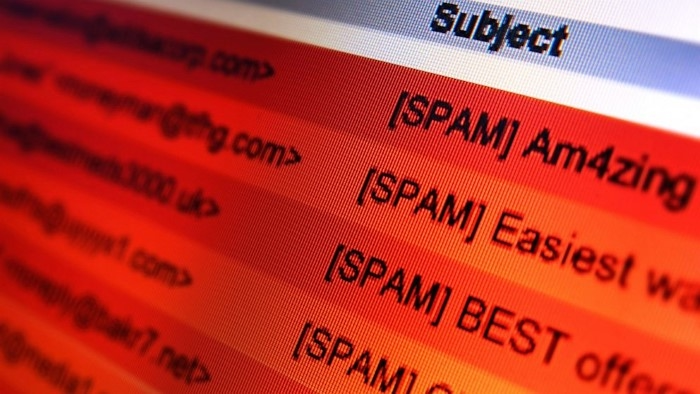
Absolutely honestly.
Some spam contains:
- phishing scams
- malware
- fake websites
- dangerous attachments
It is very important to stay careful.
What Is Phishing?
Phishing means:
fake emails pretending to be trusted companies.
Examples:
- fake banks
- fake Amazon
- fake PayPal
- fake government messages
Designed to steal information honestly.
Why Spam Emails Often Create Panic
Scammers intentionally use:
- fear
- urgency
- fake warnings
to pressure people into clicking.
Common Signs of Spam Emails
Honestly, some patterns appear constantly.
Weird Email Addresses
Random numbers and strange domains.
Bad Grammar
Lots of sloppy writing.
Urgent Threats
“Your account will close immediately!”
Strange Links
URLs that look suspicious.
Unexpected Attachments
Very risky honestly.
Fake Prizes or Money
Classic spam tactic.
Can Opening Spam Emails Harm You?
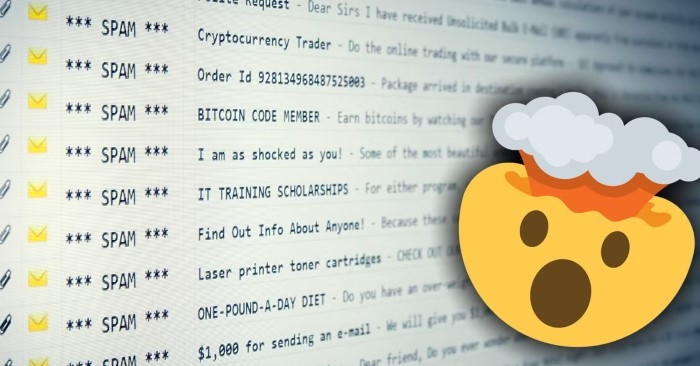
Usually opening alone isn’t catastrophic honestly.
The real danger comes from:
- clicking links
- downloading files
- entering passwords
That’s where problems start.
Should You Delete Spam Emails?
Usually yes honestly.
No reason to keep junk around.
Why Some Spam Gets Deleted Automatically
Most providers auto-delete spam after:
certain time period.
Helps reduce storage clutter honestly.
Can Important Emails Accidentally Go to Spam?
Absolutely constantly, honestly.
Especially:
- newsletters
- job applications
- verification emails
- customer support replies
A very common problem.
How to Recover Emails From Spam
Usually:
- Open Spam folder
- Select message
- Click Not Spam or Move to Inbox
Simple honestly.
Why Marking “Not Spam” Matters
Email systems learn from user behavior honestly.
Marking good emails helps improve future filtering.
Can You Stop Emails From Going to Spam?
Sometimes yes honestly.
Add Contacts to Address Book
Trusted senders are less likely filtered.
Mark Emails as “Not Spam”
Trains spam system.
Avoid Spammy Subject Lines
Helpful for businesses.
Use Proper Email Authentication
Very important technically.
Why Businesses Care So Much About Spam Filters
Because email marketing depends heavily on:
inbox placement honestly.
Spam folders destroy:
- open rates
- engagement
- communication
Huge business issue.
What Is Email Reputation?
Email providers score senders based on:
trustworthiness honestly.
Good reputation:
better inbox placement.
Bad reputation:
spam folder.
Why Bulk Email Often Hits Spam
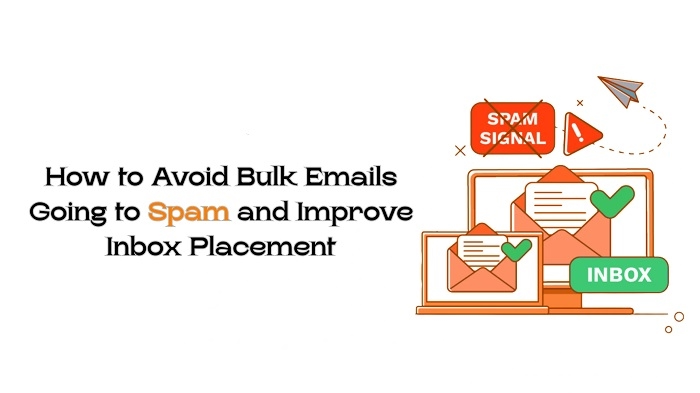
Mass sending resembles spam behavior honestly.
Especially if:
- recipients ignore emails
- people report spam
- sending patterns look suspicious
Can Spam Filters Make Mistakes?
Absolutely constantly, honestly.
No spam system perfectly understands human intent.
Why AI Spam Filters Keep Improving
Modern spam systems use:
machine learning and AI.
They study:
billions of email patterns honestly.
Why Spam Looks More Realistic Now
Scammers got smarter honestly.
Modern phishing emails often look:
shockingly professional.
Can Spam Emails Spoof Real Companies?
Yep honestly.
Scammers fake:
- logos
- branding
- names
- email appearances
Very dangerous.
What Is Email Spoofing?
Spoofing means:
making fake emails appear from trusted senders.
Huge phishing tactic honestly.
Can You Completely Eliminate Spam?
Honestly?
Not really.
Spam evolves constantly.
Filters simply reduce it massively.
Why Some People Receive More Spam Than Others
Depends on:
- how public email address is
- website signups
- data leaks
- online activity
How Spam Lists Get Your Email
Usually through:
- leaked databases
- public websites
- signups
- hacked services
Very common honestly.
Should You Reply to Spam Emails?
Usually absolutely not honestly.
Replying confirms:
your email is active.
Can increase spam.
Why Clicking “Unsubscribe” on Spam Is Risky
Legit companies?
Usually safe.
Scammers?
Could confirm the active email address honestly.
Best Practices for Handling Spam
Want a safer inbox?
Do this stuff honestly.
Never Share Passwords Through Email
Huge rule.
Avoid Clicking Suspicious Links
Most important honestly.
Turn On Two-Factor Authentication
Protects accounts massively.
Check Spam Folder Regularly
Important emails may hide there.
Keep Devices Updated
Security updates matter honestly.
Why Spam Folders Still Matter in 2026
Because despite modern messaging apps…
email remains massive for:
- business
- banking
- school
- government
- shopping
- communication
Spam protection stays critical honestly.
FAQs About Spam Folders
What is the spam folder?
Folder for suspicious or junk emails.
Why do good emails go to spam?
Filters sometimes make mistakes honestly.
Is spam dangerous?
Sometimes very.
Can spam contain viruses?
Absolutely.
Should I open spam emails?
Better avoiding suspicious ones honestly.
How do I move spam back to my inbox?
Mark it as Not Spam.
Does Gmail delete spam automatically?
Usually after some time, yes.
Can spam filters be wrong?
Constantly honest.
Honestly?
Spam folders are both:
super helpful
and super annoying.
Because without them…
email inboxes would become complete chaos from:
- scams
- fake messages
- junk advertising
- dangerous links
But at the same time… spam systems sometimes get way too aggressive and hide perfectly important emails too. That’s why honestly one of the smartest email habits you can build is simply: checking your spam folder regularly. Because sometimes the email you’ve been waiting for the whole time? is sitting quietly in there wondering why nobody opened it yet.
