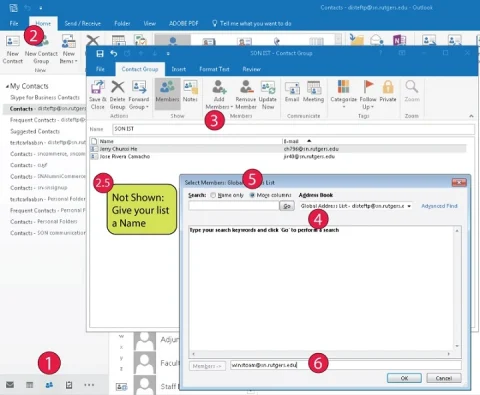
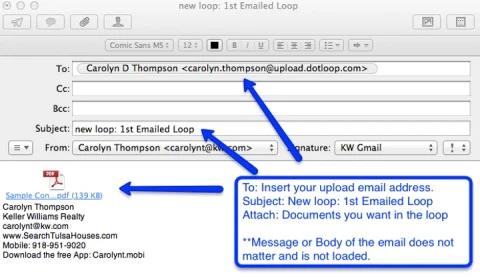
Ever type the same email addresses again and again? Yeah, that gets old real quick. Maybe you email your work team every day. Or your class friends. Or family folks.
You've searched. You've clicked through three or four pages that all say roughly the same thing. And you still aren't sure you've got the right contact details, or the right
Ever sent an email to someone else and then freaked out? Yeah, me too. Happens more than you'd think. Maybe you shared a funny joke with your buddy. Maybe you
Ever open your inbox and feel like crying? Emails everywhere. Work stuff piling up. Bills you forgot about. That message from mom you meant to reply to last week. Yeah,
Starting an email sounds easy, right? Till you sit there. The screen's blank. Ten minutes pass. "Do I say Hi?" "Too casual maybe?" "Should I use Dear?" "Wait... is that
We've all been there, right? You hit send on an email. Then instant panic hits you hard. Maybe you sent the wrong file. Maybe you typed something dumb. Maybe you
Getting junk emails stinks, right? It's like the worst part of being online. Some emails just try to sell you stuff. But others? They're spam, scams, or fake messages. Or
Most advice about email talks grammar, tone, or layout. Helpful, sure - yet shallow. Beneath that hums something softer. Each message you send leans on another person’s thoughts, ever so
A ticketing setup built around email might look like a simple fix for handling queries - one note turns into one task, nothing lost. Yet what it actually does goes