
Ever sit through a meeting and think:
“…why am I even here?”
Yeah. We’ve all been there honestly.
Thirty people in a video call.
One person talking forever.
Slides nobody reads.
Awkward silence.
Random small talk.
And then after forty-five painful minutes?
You realize the entire thing could’ve been explained in like… three sentences.
That’s where the phrase comes from:
“This could have been an email.”
And honestly?
People say it a lot now.
Especially after:
- Long meetings
- Pointless calls
- Corporate presentations
- Group updates
- Team check-ins
- Zoom sessions that drain your soul
The phrase became super popular because modern work life is packed with meetings people don’t actually need.
Let’s break down what the phrase means, why everybody relates to it, and why workplace culture made it explode online.
What Does “This Could Have Been an Email” Mean?
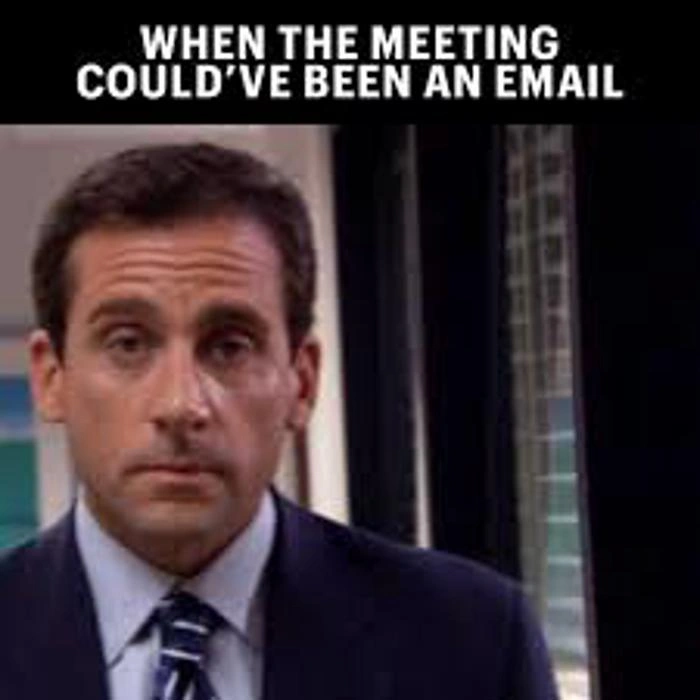
Basically it means:
“The meeting or conversation was unnecessary.”
Instead of gathering everyone together, the information could’ve simply been:
- Written in an email
- Shared in chat
- Posted in Slack
- Sent as quick update
Way faster honestly.
Why People Say It So Much
Because meetings eat time.
A lot of time.
Especially modern workplaces where people spend:
- Hours in Zoom calls
- Endless status meetings
- Daily standups
- Team syncs
- Check-ins about check-ins honestly
People get exhausted.
Then somebody spends an entire hour saying something that could fit into:
one tiny email.
That’s when the phrase hits hardest.
Where Did the Phrase Come From?
Nobody fully knows honestly.
But the phrase became huge during:
- Remote work growth
- Zoom meeting culture
- Corporate meme culture
Especially around 2020 and after.
People suddenly realized:
half their meetings weren’t really necessary.
Why Meetings Frustrate People
Honestly?
Because bad meetings feel like time is disappearing.
Especially when:
- No decisions happen
- Information repeats
- Only one person talks
- Most attendees stay silent
- Meeting has no purpose
People start mentally checking out fast.
Common Meetings That “Could Have Been an Email”
Oh there are tons honestly.
Status Updates
Everybody just reads updates aloud.
Painful honestly.
Announcements
“Hey team, next Friday is a holiday.”
That did not need forty minutes.
One-Way Presentations
One person talks while everyone else stares silently.
Could’ve easily been written down.
Meetings With Too Many People
Half the attendees don’t even speak.
Meetings Without Clear Goals
Nobody knows why they’re there.
Classic workplace problem.
Why Emails Sometimes Work Better
Emails have advantages honestly.
Faster Communication
People read when available.
Less Interrupting
No scheduling required.
Written Record Exists
Easy to search later.
Better for Simple Information
Quick updates don’t need live discussions.
More Flexible
People respond when ready.
Very efficient honestly.
But Emails Aren’t Always Better
Important point honestly.
Some things really do need meetings.
Especially:
- Brainstorming
- Emotional conversations
- Team discussions
- Big decisions
- Complex collaboration
Not everything works through email.
When Meetings Actually Make Sense
Good meetings usually involve:
- Discussion
- Problem solving
- Collaboration
- Quick decisions
- Active participation
That’s the key honestly.
Signs a Meeting Could Have Been an Email
People notice patterns quickly.
Only One Person Talks
Everyone else just listens silently.
No Decisions Get Made
The meeting ends exactly where it started.
Information Is Basic
Simple updates rarely need live calls.
Meeting Runs Too Long
Especially for tiny topics.
Nobody Participates
Half the people multitask secretly.
Very common honestly.
Why Remote Work Made This Phrase Explode
Because remote work increased meetings massively.
Suddenly everybody had:
- Zoom fatigue
- Teams calls
- Daily virtual check-ins
- Endless notifications
Workers got overwhelmed fast.
Then people realized:
Many meetings existed just because managers wanted visibility.
Not because meetings were actually useful.
Zoom Fatigue Is Real
Video calls drain people differently honestly.
You constantly:
- Watch yourself
- Focus harder
- Stay camera-ready
- Listen intensely
- Sit still longer
Mentally exhausting.
The Meme Culture Around “This Could Have Been an Email”
The phrase became huge online because it’s painfully relatable.
Especially on:
- TikTok
- Twitter/X
- LinkedIn jokes honestly
People joke about:
- Hour-long meetings
- Corporate buzzwords
- Pointless presentations
- Slides with no purpose
Work humor exploded around it.
Why Managers Sometimes Over-Meet
Honestly?
Sometimes meetings make people feel productive.
Even when not much happens.
Managers may schedule meetings to:
- Stay updated
- Show involvement
- Feel organized
- Maintain visibility
But too many meetings usually backfire.
How Too Many Meetings Hurt Productivity
Meetings interrupt:
- Focus time
- Deep work
- Creative thinking
- Task completion
Constant switching between meetings destroys concentration honestly.
The Cost of Bad Meetings
People underestimate this constantly.
Imagine:
10 people × 1 hour meeting.
That’s actually:
10 hours of company time.
Huge cost honestly.
Why Employees Hate Unnecessary Meetings
Because they create:
- Stress
- Delays
- Burnout
- Frustration
- Longer workdays
Especially when real work still needs finishing afterward.
Can Emails Replace Every Meeting?
Nope.
Definitely not.
Some conversations work much better live.
Especially:
- Sensitive topics
- Conflict resolution
- Brainstorming sessions
- Creative discussions
Balance matters honestly.
How to Know If You Need a Meeting
Simple question honestly:
“Does this require discussion?”
If not?
Probably email.
Better Alternatives to Meetings
Modern workplaces use:
- Slack
- Microsoft Teams
- Shared docs
- Loom videos
- Project boards
- Quick updates
Way more efficient sometimes.
What Makes a Good Email Instead of Meeting?
Good update emails are:
- Short
- Clear
- Organized
- Action-focused
Nobody wants giant essay emails either honestly.
Why Some People Prefer Meetings Anyway
Not everyone hates meetings.
Some people like:
- Human interaction
- Faster back-and-forth
- Real-time discussion
- Team bonding
Especially remote workers feeling isolated.
Introverts vs Extroverts in Meetings
Interesting difference honestly.
Introverts
Often prefer:
- Emails
- Written communication
- Time to think first
Extroverts
Often enjoy:
- Live discussion
- Team interaction
- Verbal brainstorming
Different work styles matter.
Funny Signs a Meeting Is Going Bad
Everybody recognizes these honestly.
“Quick Meeting” Lasts an Hour
Classic lies honestly.
Nobody Turns Cameras On
Energy is already dead.
Someone Says “Circle Back”
Corporate danger phrase.
Slides Packed With Buzzwords
Zero actual meaning.
Meeting Ends Without Clear Action
Nobody knows what happens next.
The Rise of Async Communication
“Async” means:
not happening live.
Examples:
- Emails
- Recorded videos
- Chat updates
- Shared documents
Huge trend now.
Also Read: If You Forward an Email, Who Can See It? A Simple Guide to Email Privacy
Why Async Work Is Growing
Because people want:
- Flexibility
- Fewer interruptions
- More focus time
- Better productivity
Especially remote teams.
Can Emails Improve Workplace Productivity?
Honestly, yes sometimes.
Especially when replacing:
- Pointless check-ins
- Simple updates
- Repetitive announcements
Less meetings often means:
more actual work gets done.
But Bad Emails Exist Too
Absolutely.
We’ve all seen:
- Giant walls of text
- Confusing instructions
- Endless reply-all chains
Bad communication is bad communication honestly.
Best Balance Between Meetings and Emails
Healthy workplaces usually:
- Keep meetings focused
- Use emails for updates
- Avoid unnecessary calls
- Respect people’s time
That’s the sweet spot honestly.
FAQs About “This Could Have Been an Email”
What does “this could have been an email” mean?
It means the meeting or discussion probably wasn’t necessary.
Why do people hate unnecessary meetings?
Because they waste time and interrupt work.
Are meetings bad for productivity?
Too many bad meetings definitely are.
Can emails replace all meetings?
Nope. Some discussions need live conversation.
Why did this phrase become popular?
Remote work and Zoom culture made people frustrated with excessive meetings.
What is Zoom fatigue?
Mental exhaustion caused by too many video meetings.
Are emails better than meetings?
It depends on the situation honestly.
What makes a meeting useful?
Clear goals, active discussion, and actual decisions.
“This could have been an email” became popular because honestly…
People are tired.
Tired of:
- Endless meetings
- Corporate fluff
- Wasted time
- Zoom overload
- Conversations with no purpose
And while meetings absolutely matter sometimes…
A surprising number of them really could just be:
one short clear email instead.
Which honestly would make everyone’s day a whole lot easier.
