
Creating a functional and appealing commercial space is essential for modern businesses. To thrive in a competitive environment, companies need spaces that promote productivity, reflect their brand identity, and cater to evolving technological and social trends. Whether you own or manage a commercial property, optimizing your space can attract tenants or clients seeking environments tailored to their needs. Here are practical strategies to help you optimize your commercial space effectively.
Understand Tenant Needs and Trends
Modern businesses are diverse, and their needs can vary widely. Start by understanding the trends and demands shaping commercial spaces. For example:
- Collaborative Work Environments: Businesses often look for layouts that encourage connectivity and teamwork. Open floor plans or modular spaces that can be easily adapted are in high demand.
- Sustainability and Green Design: Companies increasingly seek energy-efficient buildings. Features like LED lighting, solar panels, and energy-efficient HVAC systems appeal to eco-conscious tenants.
- Technology Integration: Providing robust network infrastructure, smart systems, and adaptable tech solutions is crucial for tech-driven businesses.
Learning what your target tenants prioritize can guide your design decisions.
Maximize Space Efficiency
Making the most of your space doesn’t mean cramming in as much as possible. Instead, it involves thoughtful design to enhance functionality and comfort.
Plan for Flexible Use
Flexible spaces cater to diverse industries and business sizes. Designs that easily accommodate rearrangements—like movable walls or multipurpose rooms—can appeal to a broad range of tenants.
Optimize Vertical Space
Utilizing vertical space is another smart way to add functionality. Built-in shelving, mezzanine levels, and tall storage units can open up your floorplan and boost usability.
Focus on Ergonomics
An ergonomic environment improves productivity and tenant satisfaction. Ensure that layouts prioritize easy movement, offer sufficient lighting, and include comfortable breakout spaces.
Invest in Modern Amenities
Offering relevant, high-quality amenities is a sure way to make your commercial property stand out. Businesses today are prioritizing employee well-being and consumer experience more than ever. Useful amenities include:
- On-Site Food and Beverage Options: Cafés or break areas can cater to employees and clients alike.
- Indoor and Outdoor Recreation Spaces: Fitness areas, lounge spaces, or even outdoor patios give professionals places to relax and recharge.
- Dedicated Meeting Rooms: High-tech conference spaces equipped with video conferencing tools cater to both in-person and virtual meetings.
Amenities that directly improve day-to-day operations or employee happiness can make your commercial space more appealing.
Ensure Accessibility and Inclusivity
Modern businesses prioritize diversity and accessibility, so your commercial space must cater to people from all walks of life. Installing features that make your building more inclusive is not just about legal compliance—it’s about demonstrating that you value all users.
Improve Mobility Access
Install ramps, elevators, and automatic doors to accommodate individuals with mobility challenges. Wide pathways and accessible seating options will also create a more welcoming space for everyone.
Provide Gender-Neutral Facilities
Gender-neutral restrooms and family-friendly spaces can position your property as progressive and inclusive.
Leverage Signage and Navigation
Clear, multi-language signage and accessible navigation tools make navigating your space easier for all users, including those with visual impairments.
Keep Aesthetic Appeal Front and Center
First impressions matter. A clean, appealing design encourages tenants to move in and impresses clients visiting the space.
Maintain High Standards
Perform regular maintenance to ensure that your building or space is presentable. Fresh paint, polished floors, and clean windows instantly elevate the look.
Reflect Modern Design Trends
Contemporary décor, clean lines, and neutral color schemes are often preferred by businesses. Incorporating textures through materials like natural wood or stone can add visual interest without overwhelming the space.
Showcase Your Flexibility
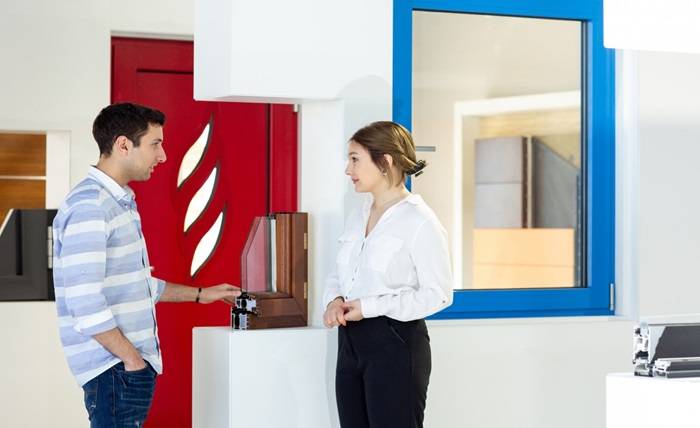
Create showrooms or “model areas” with different layout setups to inspire potential tenants. Highlighting what is possible can help busy professionals visualize how the space will serve them.
Implement Smart Technology Solutions
The efficient use of technology is non-negotiable for businesses today. Integrating smart systems into your commercial space enhances functionality and appeals to tech-savvy companies. Consider solutions like:
- Smart thermostats to improve climate control and reduce energy costs.
- IoT-connected devices for streamlined building management.
- AI-driven security systems to ensure tenant safety.
Streamlining operations with smart technology can reduce costs for property owners and businesses alike.
Prioritize Location and Connectivity
Location remains a dominating factor in a commercial space’s appeal. Businesses thrive in areas with excellent transportation links, ample parking, and vibrant surrounding communities. For example, property management in Salt Lake City often emphasizes accessibility to attract tenants by integrating urban convenience with commercial purposes. Aim to enhance these features in your property to boost its desirability to businesses.
Market Your Optimized Space
Once your commercial space is optimized, promotion is the final step. Use professional photography, detailed floor plans, and testimonials to highlight the features that set your property apart. Online platforms, local networks, and industry events are excellent tools to connect with potential tenants.
Balancing functionality, aesthetics, and modern amenities in your commercial space will ensure it remains in demand for years to come. By staying ahead of the curve, you can attract thriving, future-focused businesses.
