
When trying to connect with consumers, digital screens are indispensable tools for businesses, especially those in the transportation sector. Whether it’s a rideshare vehicle, a taxi, a car rental service, or a vehicle repair shop, these screens offer an innovative advertising channel that ensures brands reach their target audience in a dynamic and engaging manner.
Advertising in car services has emerged as a powerful tool, allowing businesses to capture consumer attention during transit or when they’re getting their vehicles repaired.
Keep on reading to explore expert strategies for using digital screens in car services to maximize advertising effectiveness.
Digital Screens in Car Services
Digital screens have transformed the advertising landscape by providing real-time, targeted messaging to passengers. Unlike traditional print or static ads, digital displays allow for dynamic content that can be customized based on location, time of day, and even passenger preferences. This level of personalization creates a more engaging experience, increasing the likelihood of brand recall and conversion.
In the car service industry, passengers often have limited distractions, making them a captive audience. With the right advertising approach, brands can leverage these moments to deliver compelling messages that resonate with consumers.
Choosing the Right Digital Screen Setup
To maximize the impact of digital advertising, selecting the appropriate screen placement and technology is essential. There are several options available, with each having its own advantages depending on the service type and target audience.
- Rear-seat screens: Ideal for taxis and rideshares, these provide an immersive experience for passengers, allowing brands to showcase high-quality video ads, interactive content, and promotions.
- Dashboard displays: Common in rental and shared vehicles, these screens can display short-form advertisements while also providing navigation and vehicle-related information.
- Interactive touchscreens: These allow passengers to engage with ads, browse special offers, or even make purchases while in transit.
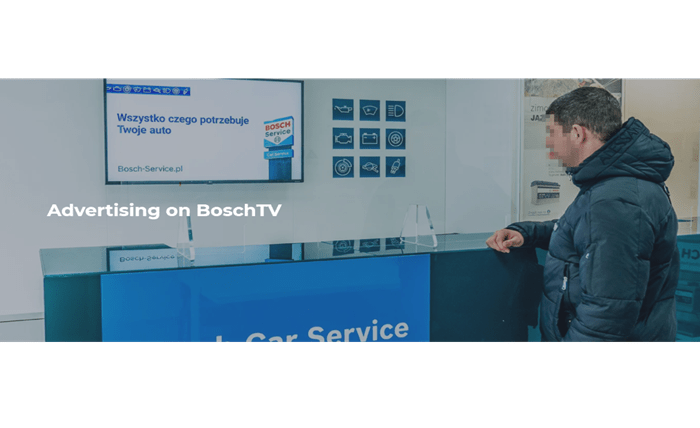
- Reception desk displays: Found in car service shops that offer vehicle repairs and maintenance, these screens can promote special deals, highlight customer testimonials, and showcase service packages while customers wait.
Selecting the right screen type depends on the nature of the service and how the content will be presented. The goal is to ensure maximum engagement while maintaining a seamless user experience.
Crafting Effective Ad Content for Digital Screens
Content is the driving force behind successful digital screen advertising. Unlike traditional billboards or posters, digital ads must be concise, visually appealing, and engaging. Since passengers typically have limited time to absorb the information, the messaging should be clear and compelling.
Here are key elements to consider when crafting content for digital screens:
- Short-form video ads: High-quality visuals with minimal text ensure easy comprehension. Videos should be no longer than 15–30 seconds to maintain attention.
- Dynamic and interactive elements: Adding touch-interactive options, such as QR codes or tap-to-learn features, can enhance engagement.
- Localized content: Adjusting ad content based on real-time location ensures relevance. For example, promoting nearby restaurants or attractions increases the likelihood of action.
- Call-to-action (CTA): Clear and actionable CTAs, such as “Book Now” or “Get 10% Off Today,” encourage passengers to respond immediately.
Targeting the Right Audience with Digital Screens
Effective digital screen advertising goes beyond placing content in front of passengers; it requires a strategic approach to audience targeting. Leveraging data analytics can help optimize ad placement and ensure messaging reaches the most relevant viewers.
Key targeting strategies include:
- Geofencing: Using location-based technology to display ads relevant to a passenger’s surroundings. For example, a coffee shop ad may appear when a vehicle enters a specific area.
- Time-based ads: Adjusting content to match peak hours. A fast-food ad in the morning might focus on breakfast deals, while evening ads could highlight dinner specials.
- Behavioral targeting: Utilizing data from past interactions to display personalized ads. A passenger frequently using ride-hailing services for business trips may see ads for coworking spaces or travel accessories.
Implementing these strategies allows advertisers to create a more customized and effective approach to engaging passengers.
Measuring Advertising Performance and Optimization
Like any marketing strategy, digital screen advertising requires ongoing monitoring and optimization. Businesses must track key performance metrics to evaluate effectiveness and make necessary adjustments.
Essential metrics to monitor include engagement rates, which track how often passengers interact with digital ads through clicks, QR scans, or direct actions. Conversion rates measure how many passengers take the desired action, such as booking a service or making a purchase.
Meanwhile, viewership analytics help businesses understand passenger demographics and behaviors, allowing them to refine content strategies. Additionally, A/B testing involves running multiple ad variations to determine which performs best.
Continuous analysis of these metrics and optimization of strategy ensures that campaigns remain effective and deliver maximum ROI.
Conclusion
Digital screens in car services present a game-changing opportunity for advertisers looking to reach consumers in a highly effective manner. With strategic placement, engaging content, and smart targeting, businesses can maximize their advertising impact while enhancing passenger and consumer experiences.
By staying ahead of technological advancements and continuously optimizing campaigns, brands can ensure they make the most of this innovative advertising avenue.
