
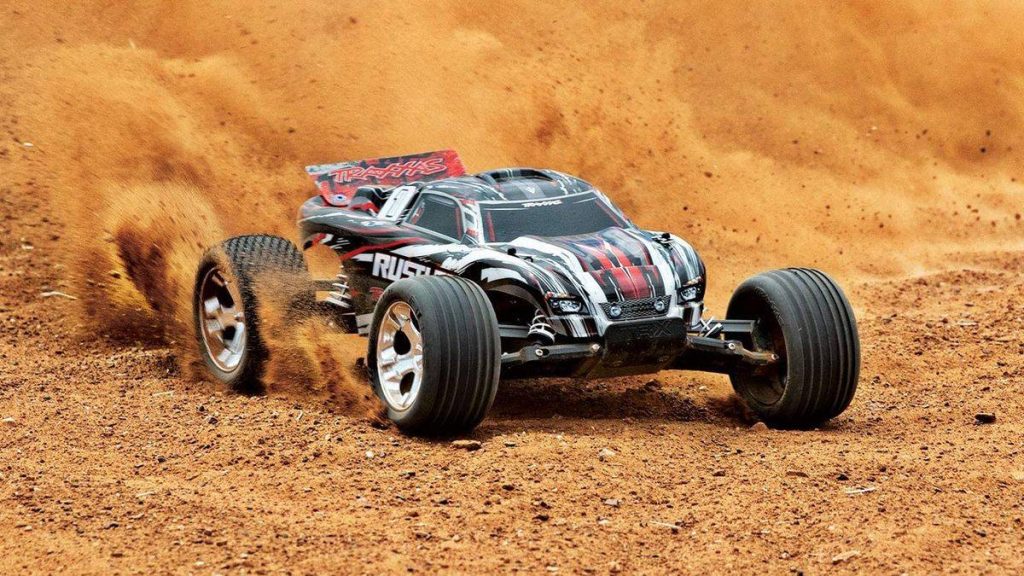
Remote control (RC) cars offer a thrilling combination of speed, strategy, and mechanical tinkering that appeals to hobbyists of all ages. Whether you’re drawn to the precision of on-road racing or simply want a fun, hands-on way to engage with engineering concepts, RC cars can provide endless entertainment. For newcomers, the world of RC racing can seem overwhelming, but getting started is easier than you might think. This guide will help you shift into first gear and set the stage for an exciting journey in RC car racing.
Understanding the Basics
RC cars come in a variety of shapes, sizes, and performance levels. At a high level, they can be classified into two main categories: on-road and off-road. On-road RC cars are designed for paved surfaces such as asphalt or concrete tracks, emphasizing speed, precision, and handling. Off-road models, on the other hand, are built to tackle dirt, gravel, or grass, with specialized suspension and tires for rough terrain. Since this article focuses on on-road racing, it’s worth noting that these cars are often low to the ground with smooth tires to maximize grip and stability.
When choosing your first RC car, there are a few key specifications to consider:
- Scale: RC cars come in various scales, with 1:10 and 1:12 being popular for beginners. The scale affects both the size of the car and the level of detail in its design.
- Power Source: Electric RC cars are ideal for beginners due to their ease of use and lower maintenance. They come with rechargeable batteries and provide a consistent driving experience. Nitro or gas-powered cars offer more realism and speed but require more complex maintenance and fuel management.
- Drive Type: On-road cars typically feature either rear-wheel drive (RWD) or all-wheel drive (AWD). RWD cars are easier to drift and feel more responsive at higher speeds, while AWD cars offer better traction and stability, particularly for new drivers.
Getting the Right Gear
Starting with the right equipment is crucial. Aside from the RC car itself, you’ll need a transmitter and receiver for control, a charger for your batteries, and some basic tools for assembly and maintenance. Many beginner kits come with everything you need, which simplifies the learning curve. You can also browse an RC online store to find kits, spare parts, and upgrades conveniently delivered to your door. It’s also a good idea to invest in spare tires, batteries, and replacement parts, as crashes are part of the learning process.
Learning the Controls
On-road RC racing demands a delicate balance between speed and precision. The transmitter typically features a steering wheel or joystick and a trigger for throttle control. Unlike driving a real car, RC cars respond more sensitively to input, so small movements can make a big difference. Beginners should practice in open, smooth areas before attempting tight corners on a track. Start with gentle acceleration and braking, gradually building your confidence and reflexes.
Understanding Racing Techniques
Racing isn’t just about driving in a straight line. Cornering, braking, and throttle control are essential skills for on-road racing:
- Smooth Steering: Avoid jerky movements. Smooth, controlled steering helps maintain traction and reduces the risk of flipping or sliding.
- Throttle Control: Gradually apply power, especially when exiting turns. Too much throttle can cause wheel spin or loss of control.
- Braking: Electric RC cars may use engine braking or mechanical brakes. Learning to brake before a turn instead of during it is key to maintaining speed and control.
- Line Selection: Just like full-sized racing, the racing line—the path you take around corners—can drastically affect lap times. Aim for a smooth arc through turns rather than cutting sharply.
Joining the Community
One of the most rewarding aspects of RC racing is the community. Local clubs and online forums provide opportunities to share tips, participate in races, and learn from experienced drivers. Many tracks host beginner-friendly sessions, allowing newcomers to gain confidence in a supportive environment.
Maintenance and Upgrades
RC cars require regular maintenance to stay competitive. Clean your car after each session, check screws and components, and lubricate moving parts as needed. Once you gain experience, upgrades like better tires, shocks, or motors can improve performance and allow for more advanced racing techniques.
The Thrill of Progress
The beauty of RC racing lies in the blend of skill, strategy, and hands-on tinkering. Beginners often start with basic cars and modest speeds, but as they gain experience, they unlock the nuances of setup, tuning, and racing strategy. Each lap is a lesson in precision, patience, and control. Over time, the combination of practice, observation, and mechanical adjustments transforms casual driving into competitive racing.
Conclusion
Getting started with RC cars and on-road racing is an accessible and immensely satisfying hobby. By understanding the basics, investing in the right gear, practicing essential techniques, and engaging with the RC community, you can quickly transition from a beginner to a skilled driver. The world of RC racing is fast, exciting, and full of learning opportunities, making it a hobby that challenges both your mind and your reflexes. So, grab your transmitter, charge your batteries, and shift into first gear—the track is waiting.
