
As we approach 2026, the landscape of graphic design is transforming faster than ever. Driven by innovation in technology, shifting cultural values, and new standards for inclusivity and sustainability, designers are challenged to evolve—not just in style, but in purpose. The trends shaping 2026 go beyond aesthetics; they reflect deeper changes in how we communicate, experience digital environments, and interact with brands.
In this article, we explore the key graphic design trends for 2026—from mixed reality visuals to ethically driven design practices—and what they mean for creative professionals and brands alike.
1. Mixed Reality Aesthetics Become Mainstream
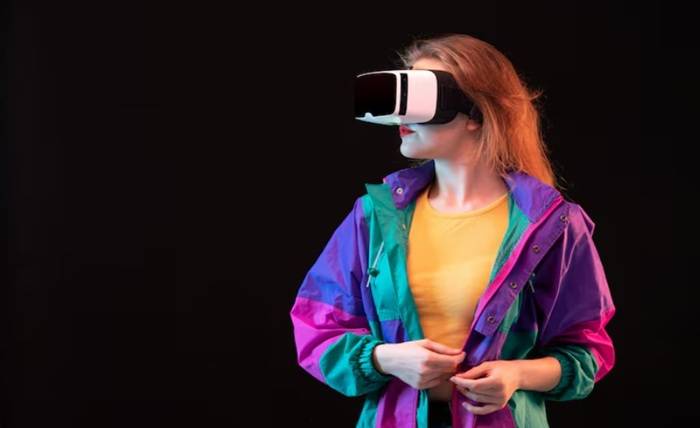
One of the biggest shifts in 2026 will be the continued integration of mixed reality (MR) design—the blending of virtual and physical worlds. With AR and VR devices becoming more accessible and widely used, designers are no longer limited to flat, 2D spaces. Instead, they are crafting visual languages that live in three dimensions.
Expect to see 3D typography that interacts with real environments, augmented brand storytelling where logos and products are experienced in physical spaces, and interactive packaging design that comes alive through AR. This shift demands new skills in real-time rendering, spatial design, and user interaction, pushing graphic design closer to experiential design.
2. Data Visualization Gets Emotional
Traditional data visualization—charts and graphs—has long been functional, but in 2026 it becomes emotional and narrative-driven. Designers are transcending static infographics by embedding data within rich visual stories that resonate on a human level.
This trend includes personified data elements that make information relatable, dynamic storytelling that adapts to real-time inputs, and narrative flows that guide viewers through information instead of overwhelming them. Emotional data visualization is especially powerful for social causes, environmental reports, and brand transparency initiatives.
3. Sustainable Design as a Core Value
Sustainability has moved from buzzword to baseline expectation. In 2026, eco-centric design practices are not optional—they are essential. This goes far beyond using green colors or recycled textures.
Designers are focusing on eco-friendly color palettes inspired by natural environments, responsible print production that minimizes waste, and carbon-aware digital design that reduces unnecessary energy consumption. Graphic designers are increasingly involved in sustainability conversations, ensuring visual communication aligns with environmental responsibility.
4. Neo-Modernism Meets Maximalism
After years of minimalism dominating visual trends, 2026 introduces a compelling hybrid: Neo-Modernism blended with Maximalism. This approach merges structural clarity with expressive richness.
Designs feature bold geometric frameworks, vibrant and sometimes clashing color combinations, and layered compositions that feel immersive without becoming chaotic. This balance allows brands to communicate complexity, emotion, and personality while maintaining clarity and usability.
5. AI-Assisted Design Evolves From Tool to Creative Partner
Artificial intelligence has been steadily transforming creative workflows, but in 2026, designers work with AI as collaborative partners rather than simple assistants. Co-creative systems help generate mood boards, layouts, and visual themes based on prompts and brand data, while adaptive learning tools refine suggestions through ongoing feedback.
For businesses, this shift reinforces that hiring a graphic designer is still essential, as human judgment, strategic thinking, and creative direction remain irreplaceable despite increasing automation. Rather than replacing designers, AI elevates creativity by automating repetitive tasks and enabling faster experimentation.
6. Inclusive Design Gets Richer and Smarter
Inclusion is no longer an afterthought—it is a guiding design principle. In 2026, inclusive design evolves into a more context-aware and culturally intelligent practice.
Design systems increasingly adapt to local languages, cultural norms, and accessibility needs. Multimodal communication—combining text, visuals, audio, and motion—ensures content reaches broader audiences. Designers also prioritize thoughtful representation, moving beyond stereotypes to create visuals that reflect diverse lived experiences.
7. Kinetic and Responsive Typography
Typography continues to evolve rapidly, and in 2026, kinetic typography becomes a standard feature in digital experiences. Type is no longer static; it responds to user behavior and environmental context.
Designers experiment with responsive typefaces that change weight, scale, or shape based on scrolling or interaction. Variable fonts allow for expressive storytelling, while motion typography adds emotion, rhythm, and emphasis. Typography is not just read—it is experienced.
8. Retro-Futurism Reimagined
Retro-futurism returns with a modern twist, blending nostalgic aesthetics with cutting-edge technology. Designers reinterpret past visions of the future—such as 80s neon or early digital interfaces—using contemporary tools like 3D rendering and motion graphics.
This trend includes chromatic gradients, intentional digital artifacts, and analog textures paired with sleek animations. Retro-futurism resonates because it connects emotional familiarity with innovation, offering audiences both comfort and excitement.
9. The Rise of Personal Brand Design
As creators, freelancers, and professionals invest more in personal branding, custom visual identities for individuals are becoming more sophisticated. These identity systems are designed to be flexible across platforms while remaining authentic and recognizable.
Personal brand design in 2026 blends visual identity, storytelling, and content strategy. Designers create modular systems that evolve with the individual, allowing for consistency across social media, portfolios, and professional platforms.
10. Ethical Visual Persuasion
With growing awareness of how design influences behavior, ethical visual persuasion becomes a critical focus. Designers are expected to communicate responsibly, avoiding manipulative tactics and prioritizing user well-being.
This includes transparent design choices, respectful UX patterns, and visuals that support informed decision-making. Ethical considerations are now part of professional design standards, shaping how brands engage with audiences.
Graphic design in 2026 is defined by more than trends—it is shaped by intention, responsibility, and adaptability. Designers must be tech-savvy storytellers, culturally fluent communicators, and ethically grounded creators.
As visual environments become more immersive and intelligent, the role of the graphic designer grows in importance. The future of design isn’t just about what looks good—it’s about what connects, informs, and inspires in a rapidly evolving world.
