
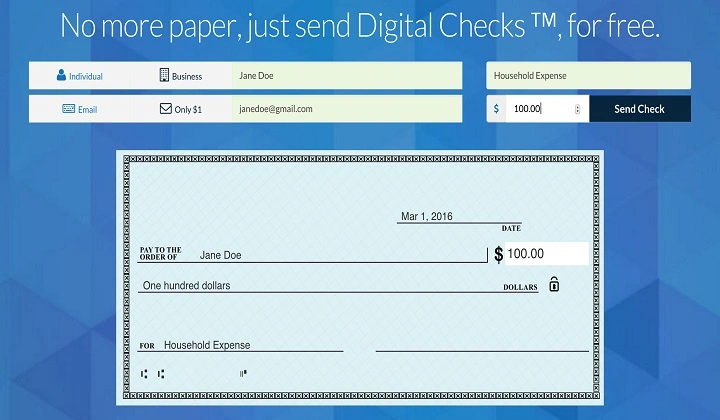
Getting a check by email? Sounds pretty handy, right? No more waiting for mail. No bank trips. Someone just sends it and boom – you deposit it. Since we’re all doing online banking now, lots of folks wonder if this is even a real thing.
Here in 2026, digital payments are everywhere. But checks? They still have their own rules. When someone says they’ll “email you a check,” it can mean different stuff. Some ways are totally fine. Others? Not so much. Could even be a scam.
Let me break down what’s what. Can someone really email you a check? What does that even mean? How do banks deal with it? And what should you watch out for?
The Short Answer: Yes, but Not in the Traditional Sense
Nobody can email you an actual paper check. But they can send you a digital version – like a PDF or picture. You might be able to deposit it using your phone.
People call this an electronic check image. Or just an emailed check copy. Whether it works depends on your bank. And if the person sending it is legit.
So yeah, checks used to be just paper. Email changed how we get them.
What People Usually Mean by “Emailing a Check”
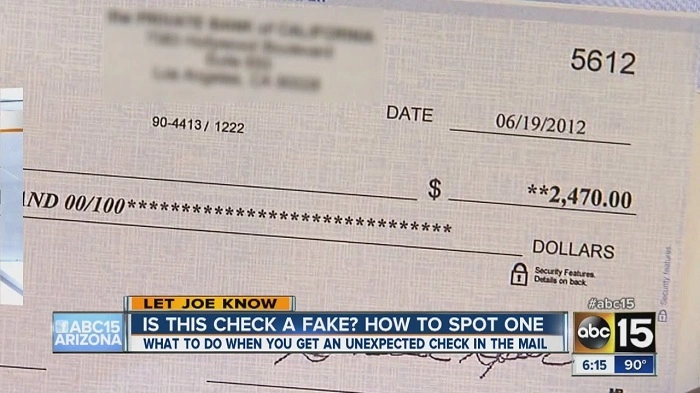
When someone says they’ll email you a check, they could mean a few things. The words can be confusing if you’re expecting some fancy digital payment. Knowing what they mean helps you decide if you should take it.
Usually, they mean:
- A scan of a signed paper check
- A PDF their accounting software made
- A photo of a check sent as an attachment
In each case, it’s still a check. Just sent digitally.
How Emailed Checks Are Deposited
You deposit emailed checks through your banking app. Instead of taking the photo yourself, you upload the image they sent.
Some banks let you do this easy. Others make you print it first, then take a photo.
It all depends on what your bank allows.
Do Banks Accept Checks Sent by Email?
Lots of banks take emailed checks. But not all of them. Each bank makes its own rules about what counts as a good check image.
Some banks let you upload a PDF or image directly. Others need you to print the check on paper first.
Since every bank is different, check with yours before counting on an emailed check.
Why Banks Allow Emailed Checks at All
Banks allow emailed checks because mobile deposit tech got really good. If the image shows everything clearly, banks can process it just like a regular photo.
It makes things easier for customers and businesses. Payments go through faster too.
But with this convenience? They check extra hard for fraud.
Risks Associated With Emailed Checks
Emailed checks are riskier than getting paid in person. Scammers love using fake or stolen checks online. They can send them fast. And stay anonymous.
Even if the deposit looks good at first, your bank can take it back later if the check’s no good.
Knowing the risks keeps you safe.
Common Emailed Check Scams
Check fraud is still around in 2026. Actually, emailed checks get used in scams a lot. They seem modern and legit.
Here’s the thing – banks can reverse deposits days or even weeks later.
Common scams include:
- Overpayment scams
- Fake job payments
- Refund fraud schemes
- Advance-fee scams
- Marketplace payment scams
With these, the check bounces after you have already sent money back.
Why a Deposited Check Can Still Bounce
When you deposit a check, your bank might give you the money before the check clears. This doesn’t mean the check is good.
If the account doesn’t have money or the check’s fake, the bank takes the deposit back later. You’re stuck with the loss. Not the bank.
This happens with both regular and emailed checks.
Is an Emailed Check the Same as an Electronic Check?
Nope. An emailed check is still just a check image. Not a real electronic transfer.
A real electronic check (ACH payment) moves money directly between accounts. An emailed check still uses the old check system.
This matters for speed and safety.
When It Makes Sense to Accept an Emailed Check
Emailed checks can be okay in some cases. Especially from people you trust.
Like your employer. Regular clients. Insurance companies. Known businesses you can verify. Trust and checking who they are – that’s what matters.
When You Should Be Cautious or Decline
If you don’t know the sender, they’re rushing you, or they want money back? Be careful. These are big warning signs.
Remember – real senders don’t pressure you to act fast.
Red flags include:
- Payments you weren’t expecting
- They want you to send part of the money back
- They won’t use safer payment methods
- Bad communication or vague explanations
- Names or details don’t match up
These usually mean fraud.
Do You Need to Print an Emailed Check?
Some banks need printed checks. Others take direct uploads. You might need to print if your bank doesn’t do image uploads.
Printing won’t make a fake check real. But your bank might need it. Just follow what your bank says to avoid problems.
How Long Does an Emailed Check Take to Clear?
Clearing times are like regular checks. Money might show up quickly, but full clearing takes days.
Banks often hold emailed checks. Especially from new or unknown people. Best to wait until it fully clears.
Alternatives to Emailed Checks in 2026
In 2026, we’ve got way safer and faster payment methods. People usually only email checks when nothing else works.
Looking at other options can keep you safer.
Common alternatives include:
- ACH bank transfers
- Online payment platforms
- Wire transfers
- Business invoicing systems
- Peer-to-peer payment apps
These move money directly. Less chance of reversal.
What Banks Look for When Reviewing Emailed Checks
Banks check these images carefully. They want clarity. Real signatures. Matching details. No signs of tampering.
Bad image quality or things that don’t match up? More chances of rejection or delays.
That’s why emailed checks get looked at harder.
Legal Status of Emailed Checks
Emailed checks are usually legal if they meet bank requirements. It’s legal if it’s properly authorized and real.
Sending a check image doesn’t change what the payment means legally.
But legal doesn’t mean safe.
Best Practices If Someone Emails You a Check
If you decide to take an emailed check, doing these things helps keep you safe.
Remember – being careful is your best protection.
Best practices include:
- Make sure you know who’s sending it
- Check if your bank takes them first
- Wait for it to fully clear before spending
- Don’t send any money back
- Keep all the emails and attachments
These steps help avoid common problems.
What to Do If an Emailed Check Turns Out to Be Fake
Think a check might be fake? Call your bank right away. Acting fast might limit what you lose.
Don’t send any money related to the check. Save all emails and attachments. Reporting early helps stop more damage.
Are Emailed Checks Still Common in 2026?
Yeah, but not as much as direct electronic payments. Some businesses still use them. Makes things easier or works with their systems.
But safer options are getting more popular. Emailed checks are kinda stuck between old and new ways.
Common Myths About Emailed Checks
Some myths get people into trouble.
Common wrong ideas include:
- If money shows up, the check must be real
- Emailed checks clear faster
- Banks guarantee your deposits
- Scammers only ask for cash
Knowing what’s real prevents expensive mistakes.
Someone can email you a check as a scanned image or PDF. You might be able to deposit it using mobile banking. Many banks take emailed checks, but they’re riskier than direct electronic payments.
In 2026, emailed checks can be legit sometimes. But they’re used in scams a lot. Make sure you know who’s sending it. Follow your bank’s rules. And wait for it to fully clear. That’s how you stay safe.
FAQs
Can someone legally email you a check?
Yes, as a check image or PDF, but bank acceptance varies.
Is it safe to deposit a check sent by email?
It can be safe from trusted senders, but there is higher fraud risk.
Can a deposited emailed check bounce?
Yes. Funds can be reversed days or weeks later.
Do banks accept emailed checks without printing?
Some do, others require printing. Check with your bank.
What is a safer alternative to emailed checks?
ACH transfers or secure online payment platforms are safer options.
