
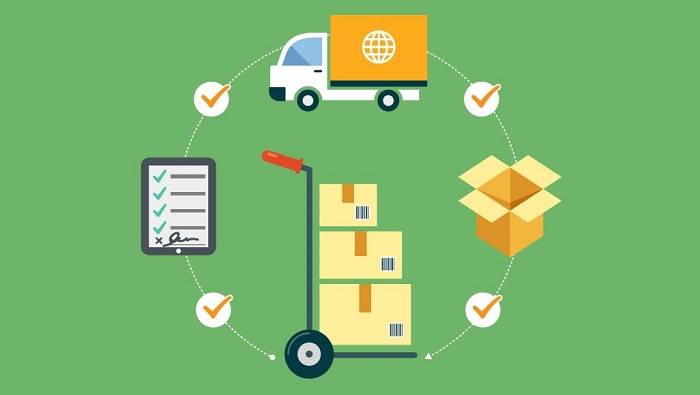
Today, when you can order anything from a smartphone to specialty coffee at 2 a.m. and have it arrive the next day, the magic isn’t just in technology—it’s in logistics. Modern eCommerce fulfilment transforms digital clicks into real-world deliveries, orchestrating a complex dance between warehouses, couriers, and advanced software to ensure customers get what they ordered, when they expect it. Behind the convenience lies an intricate system that blends speed, precision, and customer experience into one seamless operation.
The Beginning: Order Placement
The fulfilment journey begins the moment a customer clicks “buy” on an online platform. Modern eCommerce platforms, such as Shopify or Amazon, immediately capture the order details, including items, quantities, shipping address, and payment information. This information is fed into a central order management system (OMS), which serves as the brain of the fulfilment process.
The OMS is crucial because it coordinates inventory levels across multiple warehouses, alerts procurement teams if stock is low, and triggers order processing. Many eCommerce businesses now use real-time inventory management, ensuring that customers only purchase items that are available and reducing the risk of overselling.
Inventory Management: The Backbone of Fulfilment
Inventory management is at the heart of eCommerce fulfilment. Modern warehouses, often referred to as fulfillment centers, store thousands of SKUs (Stock Keeping Units) and use advanced technologies to manage stock efficiently. Automated storage and retrieval systems, conveyor belts, and even robotics are increasingly common. For example, Ocado uses robotic systems to pick groceries and organize them for delivery, dramatically speeding up the process.
Stock is typically divided across multiple locations based on demand, geographic trends, and predictive analytics. This multi-location approach allows companies to reduce shipping times and costs, as orders can be fulfilled from the warehouse closest to the customer. Many fulfilment companies in the UK, for instance, strategically place warehouses near major population centers to ensure rapid delivery across the country.
Picking and Packing: Turning Inventory Into Orders
Once an order is received, it enters the picking stage. Picking involves selecting the correct items from storage to fulfill a specific order. This step is critical because errors here can lead to customer dissatisfaction and returns. Many modern fulfillment centers use barcode scanners, RFID tags, and even AI-assisted picking robots to ensure accuracy and speed.
After picking, items move to packing. Packing isn’t just about placing items in boxes; it also involves protecting goods, consolidating multiple items efficiently, and sometimes including marketing inserts or promotional materials. Companies increasingly use custom-sized packaging generated on-demand to minimize shipping materials and reduce environmental impact.
Shipping and Logistics: From Warehouse to Doorstep
Shipping is where fulfillment meets the outside world. Modern eCommerce relies heavily on third-party logistics (3PL) providers and courier services to transport packages. Carriers like FedEx, DHL, and UPS handle the critical task of getting products from fulfillment centers to customers.
Shipping strategies vary depending on speed, cost, and customer preference. Some companies offer same-day or next-day delivery in urban areas, while others provide standard shipping for cost-sensitive buyers. Advanced logistics software calculates the most efficient routes, consolidates shipments, and tracks packages in real-time.
Tracking and Customer Communication
A modern feature of eCommerce fulfillment is real-time tracking. Once an order is shipped, customers receive tracking numbers that allow them to monitor the status of their package. This visibility is not only convenient but also reduces customer service inquiries and improves satisfaction.
Many companies go a step further by offering proactive updates, such as notifications for delays or estimated delivery windows. AI-powered chatbots and virtual assistants can answer common questions about delivery status, further streamlining the customer experience.
Returns Management: Completing the Cycle
Returns are an inevitable part of eCommerce, and handling them efficiently is vital for customer loyalty. Modern fulfilment systems include reverse logistics, which manages the flow of returned items back into the warehouse. Returns are inspected, restocked, or refurbished depending on their condition, and the customer is refunded or issued store credit.
Efficient returns management relies on automation, clear labeling, and standardized procedures to minimize the cost and complexity of processing returned items. Some companies even provide pre-paid return labels and home pickups to make the process seamless for the customer.
Technology Driving Modern Fulfilment
Technology underpins every step of eCommerce fulfillment. Artificial intelligence (AI) predicts demand, optimizes warehouse layouts, and even suggests the best shipping methods. Machine learning algorithms analyze historical data to forecast inventory needs, while automation reduces human error and speeds up repetitive tasks.
Cloud-based systems integrate inventory, order management, shipping, and customer communication into a single platform. This integration ensures that all stakeholders, from warehouse staff to customer service agents, have access to real-time information, which is crucial for smooth operations.
Sustainability Considerations
Modern eCommerce fulfillment is also adapting to environmental concerns. Companies are exploring eco-friendly packaging, electric delivery vehicles, and warehouse energy efficiency. Some retailers use algorithms to optimize delivery routes to reduce fuel consumption, while others consolidate shipments to minimize packaging waste.
Consumers increasingly prefer sustainable practices, making environmentally conscious fulfilment a competitive advantage. Companies that embrace sustainability not only reduce their carbon footprint but also build stronger customer loyalty.
The journey from an online order to doorstep delivery is complex, but modern eCommerce fulfilment has evolved to meet the demands of speed, accuracy, and convenience. From sophisticated order management systems to automated warehouses, AI-driven logistics, and real-time tracking, every step is designed to ensure a smooth customer experience. Companies that master this process can achieve faster delivery times, higher customer satisfaction, and operational efficiency, setting themselves apart in an increasingly competitive market. As technology continues to advance, the future of eCommerce fulfillment will likely become even faster, smarter, and more sustainable, transforming how we shop and receive products in our everyday lives.
