
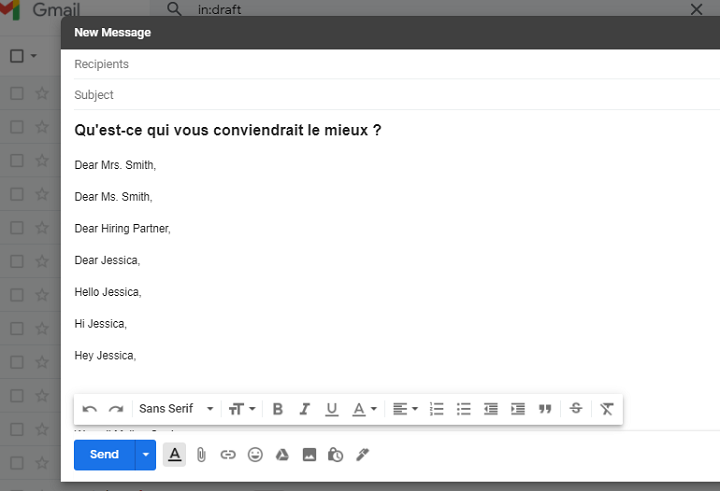
Stuck while writing an email in English? It happens. Work messages might trip you up. School notes too. Even simple questions can feel hard. You’re definitely not the only one.
Surprisingly clear, how a phrase borrowed from another tongue lands in daily typing. That French bit – “Email en anglais” – simply points to messages shaped with English words. Folks type it looking for footing. Maybe their sentences stumble. The structure feels off. What shows up in searches? Requests for smoother flow. Less confusion. Emails that sound like someone really wrote them. Polished enough. Not stiff. Just working well.
Still going strong in 2026 – email stays central. People rely on it daily. Teachers depend on it. So do managers. Support teams too. Colleagues exchange messages constantly. Clear writing makes a difference here. A major one.
This guide walks beside you. Wondering what email in English really means? Try thinking about how to shape each message. Pick phrases that carry weight. Every tip ready for 2026.
What Does “Email en Anglais” Mean?
It’s French, you know?
In English? “Email in English.”
People search this to learn:
- how to write work emails
- how to translate emails
- fancy email words
- better business talk
Students use it a lot. So do people with global jobs.
Why Writing Emails in English Matters
English is huge for world talk. Most companies use English. Schools too. Groups too. For email? English wins.
Good English emails help with:
- job stuff
- customer help
- school messages
- world business
- making friends
First emails matter. Make them good!
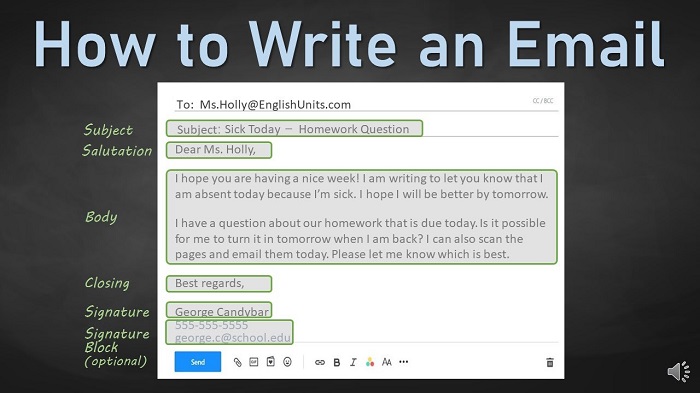
Basic Structure of an Email in English
Good emails are simple. Like this:
Greeting
Opening line
Main message
Closing line
Your name
Easy to read. Easy to get.
Here’s how:
Greeting
Hello Sarah,
Dear Mr. Ahmed,
Hi John,
Opening line
Hope you’re good.
How’s it going?
Main message
I’m writing to ask about…
Need to talk about…
Closing
Best,
Thanks,
Take care,
Your name
Simple works best!
How to Start an Email in English
First line? The greeting.
Pick the right one:
For formal stuff:
- Dear Sir or Madam
- Dear Mr. Khan
- Dear Hiring Manager
For semi-formal:
- Hello Maria
- Hello Team
For casual:
- Hi Alex
- Hey Sam
Work and school? Go formal.
Common Opening Lines in English
After hello, add a nice line. Make it friendly!
Try these:
- Hope you’re doing well.
- How’s your week?
- Writing about…
- Following up on…
- Want to ask about…
Like this:
Dear Professor Smith,
Hope you’re doing well. Writing to ask about class tomorrow.
Clear. Nice. Done!
Writing the Main Message
Say why you’re writing. Keep it short.
Like:
Need more info about the job.
Or:
I want to confirm our Tuesday meeting.
No long blocks. Short is sweet. People get it faster.
How to End an Email in English
The end is nice. End pro.
Use these:
- Best regards
- Kind regards
- Thanks
- Take care
- Best
Like:
Best regards,
Michael
Simple. Works great.
Examples of Email in English
Here’s what works:
Job Email
Dear Hiring Manager,
Hope you’re doing well. I want to apply for the marketing job on your site.
Best regards,
John Smith
Meeting Email
Hello Sarah,
How’s your day? Can we meet next week? Need to talk about the project.
Kind regards,
David
Help Email
Dear Support Team,
Can’t log in to my account. Help?
Thank you,
Maria
These work. Every time.
Also Read: Contact info revolvertech
Common Mistakes People Make
People mess up. It happens.
Big mistakes:
- no greeting
- wrong tone
- bad grammar
- too long
- not clear
Bad:
Need help with accounts.
Better:
Hello Support Team,
Can’t log in. The password won’t reset. Help?
Way better, right?
Formal vs Casual Email in English
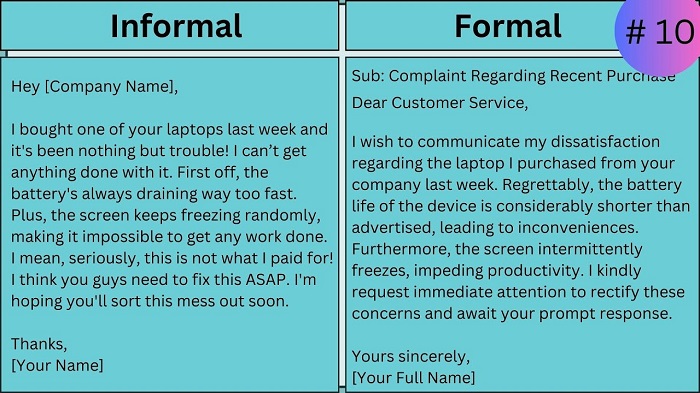
Pick your tone. It matters!
Formal for:
- work
- school
- job apps
- big requests
Casual for:
- friends
- team pals
- work friends
Like:
Formal: Dear Mr. Ahmed
Casual: Hi Ahmed
Wrong tone? Bad look.
Tips for Better English Emails
Want better emails? Try this:
- short words
- simple talk
- be nice
- say why early
- check spelling
Simple beats complex. Always.
Email Writing Trends in 2026
2026 emails? Short. Direct. No long intros. Just:
Hello James,
Just a moment to look at what’s ahead for the meeting tomorrow.
Realness shows. Yet professionalism stays. Even when things loosen up. Especially for serious moments.
Also Read: Emails info clearskinstudy
Quick Wrap-Up
English email? That is all it means.
Good email needs:
- greeting
- nice opening
- clear point
- nice closing
Busy life. Emails still matter. Skip the noise. Get to the point fast. By next year? Less clutter beats clever words.
FAQs
What does email en anglais mean?
“Email in English.”
How do I start an email in English?
Say “Hello” or “Dear.”
What’s the best closing for an email in English?
“Best regards” works great.
Should English emails be formal?
Depends. Work and school? Yes.
How long should an email in English be?
Short. Clear. Add more only if needed.
