
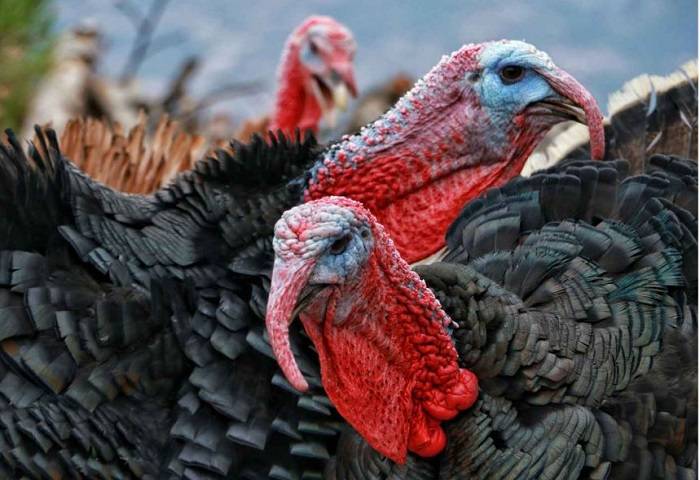
Erysipelas remains one of the most serious bacterial diseases threatening turkey operations, capable of causing significant mortality and economic losses within days of outbreak. Caused by the bacterium Erysipelothrix rhusiopathiae, this infection spreads rapidly through flocks, affecting birds of all ages but proving particularly devastating in growing turkeys. Understanding how to control erysipelas requires a comprehensive approach that combines biosecurity, vaccination, early detection, proper treatment, and ongoing management. Turkey producers who implement these essential steps can significantly reduce disease incidence and protect both their flocks and their bottom lines.
Implement Rigorous Biosecurity Protocols
Preventing erysipelas begins long before any clinical signs appear, with strict biosecurity measures that limit pathogen introduction and spread. The Erysipelothrix bacteria persist in soil and survive for extended periods in the environment, making contamination control critical. Establish controlled access points to production areas, requiring all personnel and visitors to use dedicated footwear and protective clothing before entering turkey houses. Implement thorough cleaning and disinfection protocols between flocks, paying special attention to equipment, feeders, waterers, and high-traffic areas where bacteria accumulate. Control wildlife and pest access rigorously, as rodents and wild birds can carry and transmit the organism. Maintain separate equipment for different age groups, and never move materials from older birds to younger ones. These biosecurity fundamentals create defensive barriers that significantly reduce disease pressure on your operation.
Deploy Strategic Vaccination Programs
Vaccination represents your most powerful tool for preventing erysipelas outbreaks in turkey flocks. Work with veterinary professionals to develop vaccination schedules tailored to your operation’s specific risk factors and management practices. Most programs include initial vaccination of young poults followed by strategic booster doses as birds mature. Timing proves critical, as immunity takes time to develop, and gaps in protection can allow outbreaks to occur. Ensure proper vaccine handling and storage, as temperature fluctuations and expired products compromise effectiveness. Train personnel in correct administration techniques, whether using injectable vaccines or water-soluble formulations. Remember that vaccination prevents disease but doesn’t eliminate environmental bacteria, making it one component of comprehensive control rather than a standalone solution. Companies like US Vet provide veterinary expertise and quality biologics that support effective vaccination strategies.
Monitor Flocks for Early Warning Signs
Early detection dramatically improves treatment outcomes and reduces mortality during erysipelas outbreaks. Train caretakers to recognize clinical signs including sudden death, depression, reduced feed consumption, purple discoloration of skin and snood, swollen joints, and lameness. Acute erysipelas can kill birds within 24 to 48 hours of initial signs, making rapid response essential. Implement daily mortality monitoring with attention to patterns suggesting infectious disease rather than routine losses. Conduct regular flock walks to observe behavior, movement, and overall appearance. Maintain communication with diagnostic laboratories for rapid confirmation when suspicious cases arise. The difference between minor losses and catastrophic outbreaks often comes down to how quickly you identify and respond to initial cases.
Implement Immediate Treatment Protocols
When erysipelas strikes, aggressive antibiotic therapy can save significant portions of affected flocks if administered promptly. Penicillin remains the treatment of choice, with products like Han-Pen™ (penicillin G potassium) providing effective control when delivered through turkeys’ drinking water. Water medication offers advantages during outbreaks since sick birds often continue drinking even when they stop eating, ensuring therapeutic drug levels reach affected individuals. Follow veterinary guidance on dosing rates and treatment duration, typically continuing therapy for several days beyond clinical improvement to prevent relapse. Understand that treatment addresses active infection but doesn’t create lasting immunity, making follow-up vaccination important for long-term protection. Injectable antibiotics may be warranted for valuable breeding stock or severely affected individuals requiring intensive treatment.
Maintain Environmental Management
Long-term erysipelas control requires ongoing attention to environmental factors that influence disease risk. Manage moisture carefully, as wet litter and standing water create favorable conditions for bacterial survival and transmission. Ensure adequate ventilation to control humidity and ammonia levels that stress birds and compromise immunity. Avoid overcrowding, which increases disease transmission and environmental contamination. Remove dead birds promptly and dispose of them properly to prevent further bacterial spread. Test soil and water sources periodically, particularly on farms with erysipelas history.
Choosing the right company like US Vet ensures access to quality products, veterinary expertise, and ongoing support that makes comprehensive erysipelas control achievable for turkey operations of all sizes.
