
Hey there!
Ever come across those emails or sites saying you’ll get cash just for reading mail? Seems straightforward. Just open some messages, glance through, yet somehow make money.
Most folks look up “paid to read email” for a clear reason. It feels simple, almost obvious. Not hard to grasp at all. Some see it as one of those internet chances that might add a bit more cash each month.
By 2026, it’s still around – just not quite how folks imagine. Things shifted without making a sound.
Truth be told, most regular emails won’t put money in your pocket. Companies hand out rewards when you interact – like opening ads, following links, finishing surveys, or checking out promoted material.
This guide pulls everything apart piece by piece. You see what getting paid to read emails really is, the way it runs behind the scenes, who funds these offers, plus solid ways to protect yourself when trying them out later on.
What Does Paid to Read Email Mean?
Getting cash for checking messages means some sites give rewards when users open ads sent to their inbox. These platforms pay small amounts just for clicking through promotions they receive.
Most of these messages come from companies hoping to get noticed. They back them because exposure helps spread word about what they offer.
These days, firms skip traditional ad routes when they try reaching customers. Reward systems built around email take center stage instead.
Every time a user checks a message, they get something tiny in return. Rewards show up after interaction with an offer. A note lands in their feed, then a token follows. Engagement brings back minor bonuses. Messages arrive uninvited – yet perks tag along anyway.
This may include:
- opening the email
- clicking a link
- visiting a website
- answering a short survey
- watching an ad
So the payment is usually for engagement, not simply reading.
How Does It Work?
The process is usually very simple. First, you sign up on a rewards platform. Then the platform sends sponsored emails to your account.
When you open the email and complete the required action, you earn a small amount.
Typical rewards include:
- cash
- points
- gift cards
- mobile top-ups
- cashback credits
For example, some sites may pay a few cents per email. The earnings per message are usually small.
Where Does the Money Come From?
Many people wonder how these platforms make money.
The answer is advertisers. Brands pay the platform to send promotional content to users. The platform then shares a small portion of that revenue with members. This is similar to how ad-reward apps work.
Businesses pay attention. Users get rewarded for providing that attention.
Is It Real or Fake?
This is the most important question. Some platforms are legitimate. Others are scams.
Legitimate platforms usually have:
- clear payout rules
- verified payment proof
- realistic earnings
- transparent terms
Scam platforms often promise unrealistic income.
For example:
“Earn $500 per day reading emails.”
Claims like this should raise concern. Real paid email platforms usually offer small side income, not full-time earnings.
How Much Can You Earn?
The earnings are usually modest. Most people earn a small amount per email.
Examples may range from:
- $0.01
- $0.05
- $0.10
Sometimes rewards are points that can later be converted into money or gift cards. Because of this, earnings usually add up slowly.
This works better as extra pocket money rather than a serious income source.
Common Ways People Get Paid
There are a few common models.
Sponsored Email Reading
This is the classic method. You receive promotional emails and get paid for opening them. Sometimes you must stay on the linked page for a few seconds.
Click and Visit Offers
Some programs pay when you click through to a sponsored website. The advertiser pays for traffic.
Survey Emails
Many reward emails contain surveys. These usually pay better than simple email opens.
Referral Programs
Some platforms also pay when you invite others to join. Referral bonuses can sometimes exceed email reading rewards.
Why Companies Use This Model
Businesses use paid email systems for marketing exposure.
They want:
- product visibility
- website traffic
- survey responses
- lead generation
Instead of paying for standard ads, they directly reward users. This can improve engagement rates.
Risks You Should Know
There are some important risks.
Scam Websites
Some sites promise earnings but never pay. Always research reviews before signing up.
Spam Overload
Some platforms may send too many promotional emails. This can clutter your inbox. Using a separate email account is often a smart idea.
Privacy Concerns
Some services collect user behavior data. Read privacy terms carefully before joining.
Best Tips for Staying Safe in 2026

Here are some simple best practices.
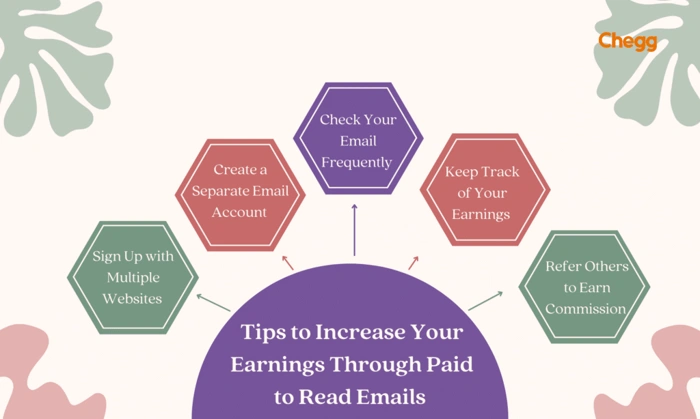
- use a separate email address
- avoid sites promising huge earnings
- check payment proof reviews
- read privacy policies
- never pay to join
Legitimate platforms do not require upfront payment.
Also Read: Agence Email Marketing: What It Is, What It Does, and Best Tips for 2026
Is It Worth It?
That depends on your expectations.
If you want a small side reward, it may be worth trying. If you expect serious income, it is probably not worth it.
The earnings are usually limited. It works best for people who want small passive rewards.
Paid Email Trends in 2026
In 2026, reward systems are becoming smarter.
Many platforms now combine email reading with:
- surveys
- cashback shopping
- app testing
- video ads
This increases earning opportunities. Simple email-only rewards are less common than before.
Alternatives to Paid Email Programs
There are other online earning options that may pay better.
Examples include:
- survey platforms
- cashback apps
- freelance work
- microtask sites
- referral apps
These often offer better returns than email reading alone.
Quick Wrap-Up
Getting cash just for checking certain messages shows up when brands pay you to look at their updates. A few cents here or there adds up if replies or clicks happen after viewing what arrives in your inbox.
Some sites actually pay, though what you make tends to be low. By 2026, treating it like extra work fits better than counting on steady money.
Stick to known sites while keeping hopes grounded.
FAQs
Can you really get paid to read emails ?
Yes, some platforms pay small rewards for opening promotional emails.
How much can I earn ?
Usually only small amounts per email.
Is being paid to read email safe ?
It can be safe if you use trusted and verified platforms.
Do I need to pay to join ?
No, legitimate platforms should be free.
Can this replace a full-time job ?
Usually no. It works better as extra pocket income.
