
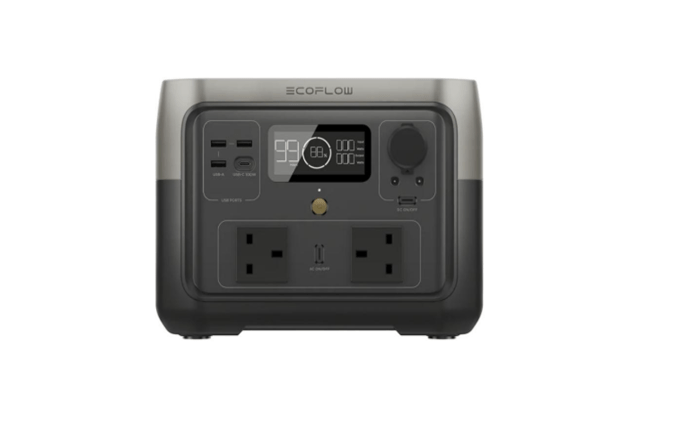
Power station shopping can feel overwhelming with manufacturers touting dozens of specifications and features. The truth is, only a handful of characteristics truly determine whether a unit will meet your needs in real-world use. Between camping trips, home emergencies, and outdoor work, your power station’s performance depends more on its fundamental engineering than flashy add-ons. Understanding these core features helps avoid paying for unnecessary capabilities while ensuring you don’t overlook critical functions. In this article, we’ll identify the seven most important features that separate exceptional power stations from disappointing ones.
- Battery Type & Longevity
The battery represents both the heart and soul of any power station, dictating its lifespan, safety, and overall value. Lithium iron phosphate (LiFePO4) batteries, while more expensive initially, typically last 3,000-5,000 charge cycles compared to just 500-1,000 for standard lithium-ion. This chemistry also remains stable at high temperatures, reducing fire risks during heavy use. Capacity fade is another critical consideration – quality batteries retain 80% of their original capacity after years of use, while cheaper alternatives may drop below 50% in the same timeframe. For users planning weekly use or home backup, investing in superior battery technology pays dividends through decades of reliable service rather than just years.
- True Power Output Capability
Advertised wattage ratings often tell only half the story. The continuous power rating indicates what the station can sustain indefinitely, while surge wattage reflects temporary spikes needed for motor startups. A refrigerator might require 1,200W to start (surge) but only 200W to run (continuous). High-quality stations maintain their rated output even as the battery drains, while budget models may throttle power below 30% capacity. Pure sine wave output remains essential for sensitive electronics, providing clean energy that won’t damage medical devices or variable-speed tools. Always verify both continuous and surge ratings match your most power-hungry devices with at least 20% overhead for optimal performance.
- Charging Speed & Flexibility
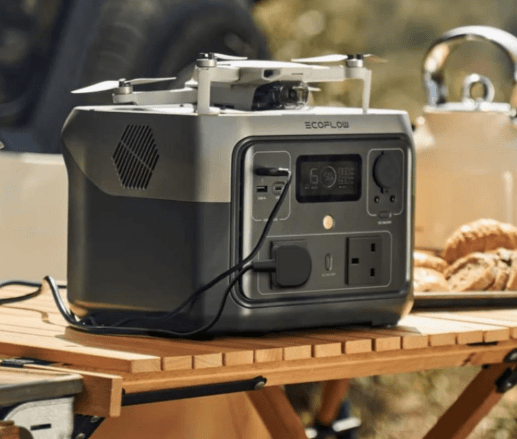
Recharge times vary dramatically between models, from sluggish 8-hour comebacks to rapid 1-hour refuels. Solar charging capabilities differ equally, with premium stations accepting higher wattage solar inputs (500W+) compared to budget caps at 200W. Dual or triple input charging (simultaneous AC/solar/car) can slash recharge times by 50% or more, a game-changer during emergencies. Some advanced models even allow “pass-through” charging – using devices while the station itself recharges. For outdoor enthusiasts, solar readiness with maximum power point tracking (MPPT) technology ensures optimal panel efficiency, while urban users might prioritize fast AC wall charging instead.
- Port Selection & Smart Features
Output ports determine real-world usability more than raw wattage numbers. A balanced mix should include at least two AC outlets, multiple USB-A ports, USB-C Power Delivery (ideally 100W+ for laptops), and 12V car-style sockets. Wireless charging pads add convenience, while RV-ready TT-30 outlets cater to specific needs. Smart features like app connectivity enable remote monitoring and control, though they’re not essential for basic use. More valuable are real-time power consumption displays, estimated runtime calculators, and customizable power saving modes. Prioritize ports matching your device ecosystem rather than chasing maximum quantity.
- Physical Design & Usability
Weight vs Capacity Ratio
Portability hinges on finding the sweet spot between capacity and weight. Lightweight models under 20 pounds suit camping and tailgating but often compromise on power output. Home backup units may weigh 50+ pounds but frequently include wheeled carts for mobility. The best portable designs incorporate sturdy handles and balanced weight distribution, making 30-pound units manageable for most adults. Consider where you’ll store and transport the station – car trunk space, RV compartments, or closet shelves all impose different size constraints that affect usability more than specifications suggest.
Display Interface Quality
An intuitive interface transforms user experience during critical moments. Backlit LCD screens should clearly show battery percentage, input/output wattage, and estimated runtime without confusing menus. Tactile buttons work better than touchscreens in low-light or emergency situations. Some premium models offer customizable displays that highlight the information you care about most, whether that’s solar input levels or device power consumption. Avoid units with only basic LED indicators – these leave you guessing about remaining runtime when powering essential devices during outages.
- Safety & Certification
Independent safety certifications (UL, CE, FCC) matter tremendously for devices storing this much energy. UL-tested stations undergo rigorous evaluation for fire risk, electrical safety, and battery management – assurances worth the $50-$150 price premium they command. Physical safety features like battery management systems that monitor individual cells, temperature-controlled fans, and short-circuit protection prevent catastrophic failures. Some units even include built-in carbon monoxide detectors or emergency lights for added protection. These features rarely appear in marketing materials but make the difference between a trustworthy investment and a potential hazard.
- Expandability Options
Future-proof power stations offer expansion ports for connecting additional batteries, increasing capacity without replacing the entire unit. This modular approach proves invaluable for growing energy needs, whether adding solar panels or linking multiple stations together. Some systems support external battery modules that clip on like power tool batteries, while others use cable connections for whole-home backup configurations. Even if you don’t need expansion today, having the option provides flexibility as your power requirements evolve over years of use.
Conclusion
Choosing the right power station involves balancing these seven critical features against your specific use cases and budget. Weekend campers might prioritize lightweight LiFePO4 models with solar input, while home backup users should focus on safety certifications and pure sine wave output. Among available options, EcoFlow power station models stand out by delivering professional-grade features in consumer-friendly packages, particularly their exceptional charging speeds and smart power management. Remember that the “best” station isn’t the one with the most features, but the one whose capabilities align precisely with how you’ll actually use it. By focusing on these fundamental characteristics rather than marketing hype, you’ll find a power solution that delivers reliable energy for years to come.
