
Whether you’re writing to colleagues, clients, or a group of friends, knowing how to address multiple people in an email is essential for maintaining professionalism, clarity, and proper communication flow. A well-structured greeting sets the tone for your message and ensures that everyone feels appropriately included.
In this guide, you’ll learn the best ways to address multiple people in an email, including formal and informal examples, group emails, common mistakes to avoid, and etiquette tips to help you communicate better in 2025.
Why Addressing Multiple People Correctly Matters
When sending a group email, the greeting is more than just a formality. It impacts how your message is received and can influence the response rate and tone of replies.
Properly addressing recipients:
- Acknowledges everyone in the conversation
- Maintains professional standards
- Avoids confusion about who the message is for
- Promotes inclusivity and respect in communication
Failing to greet all relevant recipients properly can come across as careless, especially in professional or business settings.
Basic Guidelines for Addressing Multiple People
Here are a few universal tips to remember when greeting more than one person in an email:
- Use inclusive and neutral salutations.
- List names in a logical or hierarchical order (alphabetical, seniority, etc.).
- Avoid unnecessary repetition if the group is large.
- Match the tone of the greeting to the context—formal for work, casual for friends.
Best Greetings for Multiple Recipients
Formal Settings (Business, Academic, Official)
Use these greetings when emailing coworkers, supervisors, clients, or stakeholders.
- Dear All,
- Dear Team,
- Dear [First Name] and [First Name],
- Dear Colleagues,
- Good Morning Everyone,
- Dear [Department Name] Team,
Example:
Dear James, Priya, and Michael,
I hope this message finds you well.
Tip: If hierarchy matters (e.g., including a manager and a junior staff), mention the senior person first.
Informal Settings (Friends, Casual Groups)
When tone is friendly and relaxed, try:
- Hi All,
- Hello Everyone,
- Hi [First Name] and [First Name],
- Hey Team,
- Hello Friends,
Example:
Hi Alex and Jordan,
Just wanted to follow up on the weekend plans.
For Unknown Recipients or Large Groups
If you’re emailing a group where not everyone knows each other or the message goes to a mailing list:
- To Whom It May Concern (if no names are known)
- Dear [Team/Group Name]
- Hello All
Avoid using “Hey guys” or overly casual phrases in professional settings.
How to Format Names When Addressing Multiple People
Here’s how to structure names depending on how many people you’re addressing:
Two People
Use both names joined by “and.”
Example:
Dear Sarah and John,
Three or More People
List the names separated by commas. Use “and” before the last name.
Example:
Dear Anna, David, and Christine,
If there are more than four recipients, you might prefer a group term like “Team” or “All” instead of listing every name.
Should You Use CC or BCC for Group Emails?
Understanding CC and BCC is important when sending emails to multiple people:
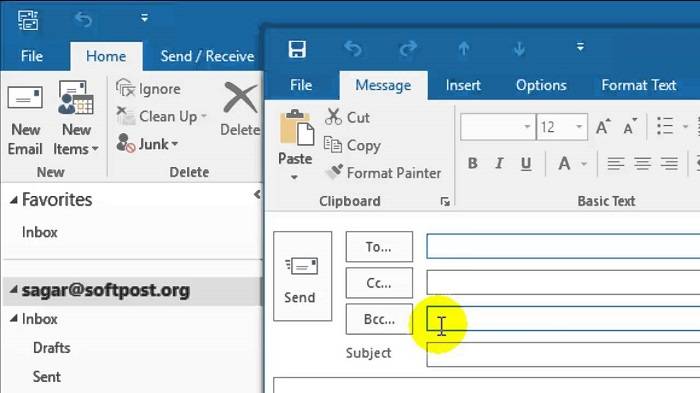
- CC (Carbon Copy): Use when recipients should be aware of each other and the message doesn’t require confidentiality.
- BCC (Blind Carbon Copy): Use when emailing a large group and you want to protect recipient privacy (common in newsletters or announcements).
Never use CC for a mass email where people don’t know each other—it can violate privacy.
How to Address Different Roles in the Same Email
If your email includes a mix of roles, such as a manager, developer, and client, structure your greeting to reflect either formality or group labels.
Example:
Dear Mr. Thomas, Sarah, and the Marketing Team,
Alternatively:
Hi Project Team,
I’ve CC’d Mr. Thomas and Sarah for visibility.
Common Mistakes to Avoid
- Skipping the greeting entirely
- Using nicknames in formal emails
- Mixing formal and casual tones
- Forgetting to update names in templates
- Repeating names unnecessarily in large groups
Always double-check who you’re sending the message to and ensure your greeting matches the context.
Should You Include Everyone in the To Field?
That depends on the nature of the email.
- Use the To field for primary recipients—those expected to reply or take action.
- Use the CC field for people who need to be informed but don’t need to respond.
- Use BCC for large groups or when hiding emails for privacy.
Proper use of these fields improves clarity and ensures the right people stay in the loop without cluttering the inbox.
Templates and Examples for Addressing Multiple People
Professional Work Email
Subject: Q2 Budget Planning
Dear Emma, Raj, and Leah,
Please find attached the budget overview for Q2. Let me know if you have questions.
Group Announcement
Subject: Office Holiday Schedule
Hi Everyone,
The updated holiday schedule has been published. Please review and mark your calendars accordingly.
Follow-Up After a Meeting
Subject: Project Delta – Action Points
Hello Team,
Thanks for your time during today’s meeting. Here are the next steps we discussed…
Client and Team Collaboration
Subject: Creative Review – Client Feedback
Dear Mr. Clarke, Amanda, and Design Team,
I’ve included client feedback below for the proposed concepts. Let’s discuss changes by Thursday.
Frequently Asked Questions
What’s the best way to start an email to three people?
Use: “Dear [Name], [Name], and [Name]” or “Hi Everyone” if formality is not required.
Can I just say “Hi All” in a professional email?
Yes, “Hi All” is a commonly accepted and polite greeting in most workplace settings.
Should I list names in a specific order?
If there’s a hierarchy or seniority, start with the most senior person. Otherwise, alphabetical order is fine.
How do I greet a group if I don’t know all names?
Use group terms like “Dear Team,” “Dear All,” or “To Whom It May Concern.”
Is it rude to leave someone out of the greeting?
Yes, it can be. Always include all relevant recipients or use a general term that covers the entire group.
