
Knowing how to introduce yourself in an email can make or break your first impression. Whether you’re reaching out to a potential employer, a client, or a colleague, the way you present yourself sets the tone for future communication. A thoughtful email introduction builds credibility, clarity, and trust—three essentials in today’s fast-paced digital world.
This guide breaks down the structure, tone, and content needed to write a strong self-introduction in any professional setting.
Why It’s Important to Introduce Yourself in an Email
When you’re not meeting someone face-to-face, your email is your first impression. Learning how to introduce yourself in an email shows professionalism, respect for the recipient’s time, and helps establish context.
A strong introduction can lead to better engagement, faster responses, and increased chances of building meaningful connections.
When Should You Introduce Yourself in an Email
You should know how to introduce yourself in an email in the following scenarios:
- Reaching out to someone for the first time
- Applying for a job or internship
- Networking with professionals or alumni
- Following up after a meeting or event
- Introducing yourself to a new team or manager
In each case, the structure is similar but the tone and content may differ slightly.
How to Introduce Yourself in an Email: Step-by-Step
Use a Clear Subject Line
Make your subject specific and easy to understand. Avoid vague phrases like “Hi” or “Quick Question.” Use:
- Introduction: Jane Smith from XYZ Agency
- Connecting After Today’s Webinar
- Internship Inquiry – Alex Brown
A relevant subject line helps your email get noticed and sets the stage for your introduction.
Greet the Recipient Appropriately
Start with a respectful greeting that matches the formality of your relationship:
- Dear Mr. Lopez
- Hello Dr. Carter
- Hi Jasmine
If you’re unsure of their title, using “Hello [First Name]” is generally safe and friendly.
Start With Your Name and Purpose
Your opening line should clearly state who you are and why you’re reaching out. Here’s a reliable formula:
“My name is [Your Full Name], and I’m a [Your Role/Position] at [Company/University]. I’m reaching out regarding…”
This line quickly introduces you and your intent without overwhelming the reader.
Add Context or Connection
If you share something in common with the recipient (a conference, mutual contact, or shared interest), mention it early on:
“I recently attended your webinar on data security, and I found your insights very useful.”
This creates a personal connection and makes the introduction feel more genuine.
State Your Objective Clearly
After you’ve introduced yourself and established context, explain what you need:
- I’d love to schedule a quick call to learn more about your work.
- I’m interested in applying for the open role on your team.
- I was hoping to get your thoughts on a potential collaboration.
Being clear and specific about your purpose improves the chances of a response.
Include a Polite Closing
Wrap up your email with a courteous statement and call to action:
- Looking forward to hearing from you.
- I’d appreciate any time you can spare.
- Please let me know if you’d be available this week.
Always end on a respectful note and include your full name, contact details, and relevant links (LinkedIn, portfolio, etc.).
Email Introduction Example Templates
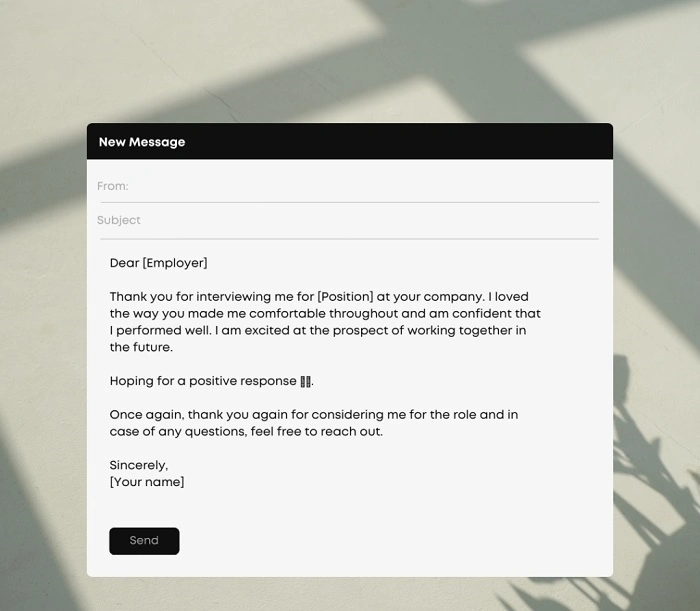
Job Inquiry
Subject: Introduction: Mark Wells – Marketing Strategist Interested in [Job Title]
Dear Hiring Manager,
My name is Mark Wells, and I’m a marketing strategist with over five years of experience in digital campaigns. I came across the open position for a Senior Marketing Analyst at your company and wanted to express my interest.
I’ve led multiple successful B2C product launches and am eager to bring my skills to a forward-thinking team like yours. I’ve attached my resume and portfolio for your review.
Looking forward to connecting,
Mark Wells
[email protected]
LinkedIn.com/in/markwells
Networking
Subject: Connecting After Your Talk at UX Summit
Hi Taylor,
My name is Renee Miller, and I’m a UX design student at Parsons School of Design. I really enjoyed your talk on user research at the UX Summit last week.
I’m currently building my thesis around accessibility and would love to ask you a few questions about your approach. If you’re open to it, would you be available for a short virtual coffee chat?
Best regards,
Renee Miller
[email protected]
New Team Introduction
Subject: Hello from Your New Content Manager
Hello Team,
I’m Priya Das, your new Content Manager starting this week. I’m excited to be joining the team and look forward to collaborating with each of you.
Please feel free to reach out if you need anything related to blog content, social strategy, or editing support. Looking forward to working together!
Thanks,
Priya
Best Practices for Introducing Yourself in an Email
Keep It Short
A good email introduction is concise and focused. Aim for 4–6 short paragraphs with clear structure.
Maintain a Professional Tone
Even when writing casually, stay respectful. Avoid slang, emojis, or overly informal language unless you’re sure it’s appropriate.
Customize Each Email
Avoid using the same template for every situation. Always tailor your email to the recipient and context.
Proofread Before Sending
Spelling and grammar mistakes undermine your credibility. Always double-check before you hit send.
Use a Signature Block
End your email with your full name, job title, contact information, and professional links to make follow-up easier.
Mistakes to Avoid When Writing a Self-Introduction Email
- Using a vague or irrelevant subject line
- Forgetting to state your name early
- Writing long, rambling paragraphs
- Being too aggressive or too casual
- Omitting contact information or attachments
Avoiding these mistakes ensures your email lands well and makes a strong first impression.
Frequently Asked Questions (FAQs)
How long should a self-introduction email be?
A self-introduction email should be short and direct—ideally between 150 to 300 words.
What’s the best subject line for introducing yourself?
A good subject line includes your name and the context, like “Introduction: Sarah from ABC Marketing.”
Should I attach a resume when introducing myself for a job?
Yes, if you’re introducing yourself for job purposes, always attach a resume and optionally a cover letter or portfolio.
Can I use a casual tone in a self-introduction email?
Only if you know the recipient well or it’s part of the workplace culture. Otherwise, stick with a professional tone.
How do I follow up if I don’t get a reply?
Wait 3–5 business days and send a polite follow-up, briefly restating your original message and interest.
Mastering how to introduce yourself in an email is a critical skill in today’s professional world. A well-structured, respectful, and personalized message opens doors to opportunities, relationships, and collaborations. Whether you’re reaching out for a job, networking, or starting a new role, your email sets the tone for future communication.
Use clear subject lines, be concise, and always include a call to action. With the right structure and tone, you can make every introduction impactful and memorable.
