
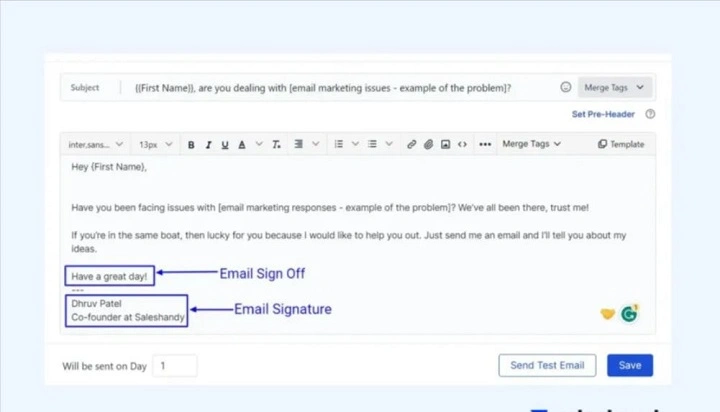
Professional email etiquette tells us to end messages with “Regards,” “Best,” or “Sincerely.” But in today’s world of meme culture and sarcastic workplace humor, unhinged email sign-offs are gaining popularity. Whether you’re trying to make a coworker laugh, break up a monotonous workday, or subtly express burnout, these chaotic yet clever closings are reshaping digital communication.
Let’s explore what unhinged email sign-offs are, why they’ve become trendy, when to use them, and the best (and worst) examples to try.
What Are Unhinged Email Sign-Offs
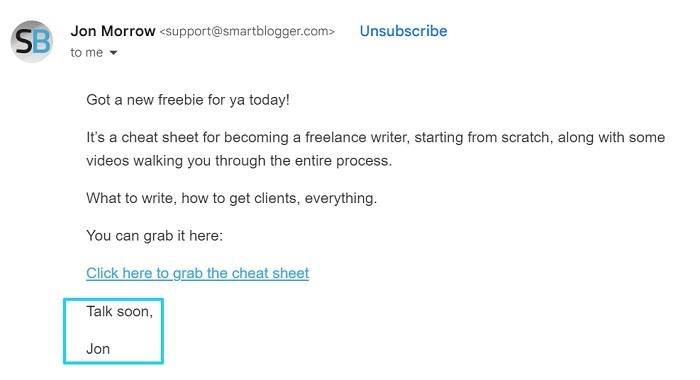
Unhinged email sign-offs are quirky, dramatic, sarcastic, or intentionally unprofessional ways to end an email. These sign-offs break conventional norms and often convey humor, exhaustion, sass, or even irony.
Instead of ending with “Warm regards,” someone might write, “May the Wi-Fi always be in your favor” or “Rotting in my inbox, as always.” They’re absurd, unfiltered, and refreshingly human in a world of robotic correspondence.
Why Unhinged Email Sign-Offs Are Trending
Workplace Humor and Burnout
As remote work and burnout increase, employees are leaning into humor to cope. Unhinged email sign-offs become a subtle form of expression—a way to show personality in otherwise dry conversations.
Gen Z and Meme Culture
Digital-native generations who grew up with memes, TikTok, and sarcasm naturally embrace this kind of humor. Using chaotic closings in emails has become a form of inside joke within teams.
Breaking the Monotony
Emails often feel repetitive. A funny or weird sign-off disrupts the usual tone and grabs attention, helping you stand out in someone’s crowded inbox.
Best Unhinged Email Sign-Offs That Actually Work
Here’s a curated list of some hilarious, sarcastic, and iconic unhinged email sign-offs that people actually use—and often go viral for.
Sassy and Sarcastic
- May your coffee be strong and your Wi-Fi stable
- Forever waiting on your reply
- Circling back like a vulture
- Please pretend this was helpful
- Sent from a place of deep existential dread
Dramatic and Theatrical
- Crying in a spreadsheet
- Logging off forever (or until 5 PM)
- Yours in chaos
- Screaming internally
- Peace, love, and passive-aggressive follow-ups
Completely Offbeat
- May your inbox never be full (but also, don’t email me back)
- Leaving Earth’s orbit, BRB
- Powered by spite and cold brew
- From the void of late-stage capitalism
- Currently melting
These are ideal for internal communication, especially in teams that welcome humor. Use with caution when emailing clients or management.
When Should You Use an Unhinged Email Sign-Off
Ideal Situations
- Friendly chats with close colleagues
- Team newsletters or updates
- Brainstorming emails
- Slack threads turned email chains
- Follow-ups after multiple ignored replies
When to Avoid
- Job applications or formal HR communication
- Outreach emails to clients
- Emails with sensitive or serious content
- Responses to authority figures unless you know them very well
Unhinged email sign-offs are great when tone is casual, but they can appear unprofessional or confusing in formal settings.
How to Make Your Own Unhinged Email Sign-Off
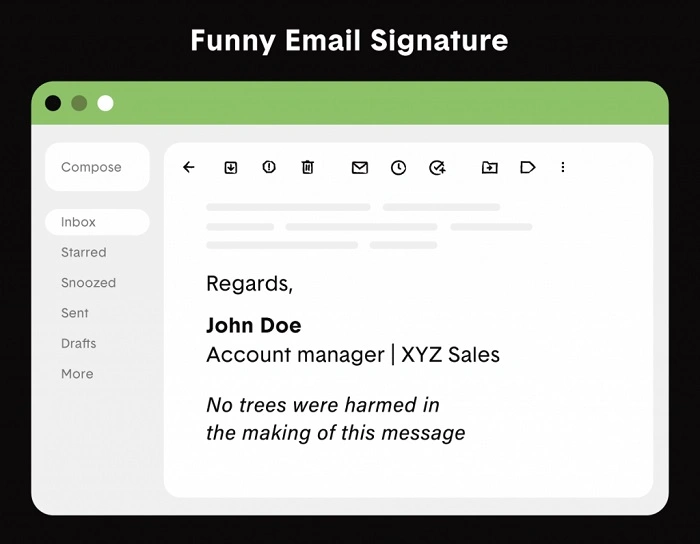
Creating your own chaotic email closer is easier than you think. Follow this formula:
Emotion or state + humorous twist = unhinged magic
Examples:
- Burned out but trying
- Deeply unqualified but enthusiastic
- Lost in thought (and in this inbox)
You can reference your job, your mental state, your caffeine dependency, or even something surreal. The goal is to exaggerate or dramatize everyday realities with irony or absurdity.
Benefits of Using Unhinged Email Sign-Offs
Adds Personality
These sign-offs let your unique tone shine through. In corporate environments where everyone sounds the same, this adds a bit of humanity.
Builds Team Culture
They can become an inside joke. Teams often adopt these closings into their culture, creating camaraderie and making communication fun.
Encourages Engagement
Funny or unexpected sign-offs grab attention and might even prompt faster responses—because no one forgets “Yours in eternal confusion.”
Risks and Drawbacks
While unhinged email sign-offs are fun, they carry risks if misunderstood.
- Tone may be misread, especially in cross-cultural communication.
- They can appear unprofessional to those unfamiliar with the trend.
- HR may intervene if a sign-off feels offensive or inappropriate.
Always consider your audience before hitting send.
Unhinged Email Sign-Offs in Pop Culture
Screenshots of these email endings often go viral on X (formerly Twitter), Reddit, and TikTok. Users share threads of the best ones they’ve seen, with captions like “This is how I’m signing off from now on.”
Some have become so popular that they’re now part of team newsletters, Slack statuses, or even email signatures (ironically formalizing the unhinged).
How to Transition from Formal to Unhinged (Gradually)
If you want to ease into using unhinged email sign-offs:
- Start with slightly casual sign-offs like “Thanks for nothing” (with humor).
- Test them in internal emails only.
- Mirror your teammates—if they use one, match the tone.
- Keep it lighthearted, never aggressive.
- Use them as a closer, not a replacement for substance.
Soon, your team might be replying with equally chaotic closings.
Frequently Asked Questions (FAQs)
Are unhinged email sign-offs professional?
They can be, depending on your workplace culture. Use them only where humor is welcomed and understood.
Can I use an unhinged sign-off in a client email?
It’s best not to. Stick to traditional closings like “Best” or “Sincerely” for external communication.
What’s the safest unhinged sign-off?
Something mildly sarcastic like “Running on coffee and ambition” works in most casual settings.
Can I add an unhinged sign-off to my email signature?
Yes, but only if your organization’s culture supports humor. Avoid for formal job roles or leadership positions.
Why are unhinged email sign-offs so popular now?
They reflect workplace fatigue, meme culture, and a shift toward more human, relatable communication.
Unhinged email sign-offs are a modern way to break free from stale professional routines. While not suitable for every scenario, they inject humor, honesty, and creativity into your daily communication. From “Crying in Excel” to “With the last ounce of my willpower,” these closings have become digital expressions of personality. Whether you’re using one to make your coworker laugh or simply trying to cope with Monday, they remind us that behind every screen is a human being.
