
Forwarding emails feels simple enough.
Click Forward. Add a person. Hit Send.
Done.
But then suddenly the overthinking starts.
“Wait…”
“Can the original sender tell I forwarded this?”
“Will Gmail notify them somehow?”
“Can they see who I sent it to?”
Honestly?
A lot of people get nervous about forwarding emails.
Especially when the message contains:
- Private conversations
- Work drama
- Screenshots
- Attachments
- Sensitive information
- Personal opinions
And because social apps now track everything:
- Seen receipts
- Screenshots
- Shares
- Reposts
…people assume email works the same way.
But it usually doesn’t.
The good news?
Most email systems do not directly notify someone when you forward their message.
Still though, forwarding emails isn’t completely invisible either.
There are definitely ways people can accidentally figure it out later.
Let’s break down exactly what happens when you forward emails and what senders can actually see.
What Does Forwarding an Email Mean?
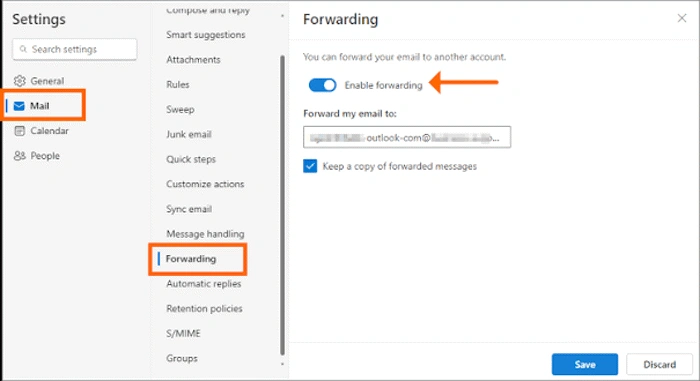
Forwarding means taking an email someone sent you and sending it to somebody else.
Instead of copying everything manually, you:
- Open the message
- Click Forward
- Add recipient
- Send it
Simple honestly.
The forwarded message usually includes:
- Original email
- Sender details
- Attachments
- Dates
- Reply chains
Basically you’re passing the conversation along.
Does the Sender See When You Forward an Email?
Usually?
Nope.
Most major email services:
- Gmail
- Outlook
- Yahoo Mail
- Apple Mail
…do not send notifications when emails get forwarded.
So the original sender normally cannot directly see:
- That you forwarded it
- Who received it
- When it happened
No alerts pop up.
Why People Think Email Sends Forward Notifications
Honestly?
Modern social media caused this confusion.
Apps like:
- Snapchat
- Messenger
…made people expect notifications for everything.
But email systems are older technology.
Way less interactive honestly.
Does Gmail Notify Someone If You Forward Their Email?
Nope.
Gmail does not normally notify people about forwarding activity.
That means:
- No warning message
- No alert
- No notification
- No email update
Pretty private overall.
Does Outlook Tell Senders About Forwarding?
Usually not too.
Microsoft Outlook works similarly for normal personal accounts.
But workplaces can be different sometimes.
Especially businesses using:
- Microsoft Exchange
- Microsoft 365 monitoring
- Security tracking systems
Corporate email gets monitored more heavily honestly.
Can the Person You Forwarded It To See the Original Sender?
Oh absolutely.
Forwarded emails usually reveal:
- Original sender name
- Email address
- Date sent
- Full message contents
The new recipient often knows exactly where the email came from.
Can Recipients See Old Conversations Too?
Yep.
And honestly?
This catches people off guard constantly.
Long forwarded threads may include:
- Old replies
- Previous comments
- Other recipients
- CC lists
- Entire conversation history
Very easy to accidentally overshare honestly.
Can Forwarded Emails Include Attachments?
Usually yes.
Attachments often travel automatically with forwarded emails.
Including:
- PDFs
- Photos
- Videos
- Documents
- Screenshots
It is very important to double-check honestly.
Can You Remove Attachments Before Forwarding?
Absolutely.
Most email apps let you:
- Delete attachments
- Remove files
- Clean up content
before sending.
Very smart habit honestly.
Can the Sender Ever Accidentally Find Out?
Definitely possible.
Just usually not through automatic notifications.
Common Ways Senders Discover Forwarding
Reply Mistakes
Biggest one honestly.
Someone replies incorrectly and includes the original sender accidentally.
Gets awkward real fast.
Re-Forwarding
The forwarded message eventually circles back somehow.
Happens surprisingly often honestly.
Screenshots Spread Around
Forwarded content gets shared beyond intended people.
Somebody Mentions It
Especially at work.
People talk honestly.
What Happens If Someone Replies to a Forwarded Email?
Usually replies come back to:
- You, the forwarder
Not the original sender.
But old addresses may still remain inside email chains.
Then replies accidentally reach:
- Original sender
- Other recipients
- Entire groups
Classic email disaster honestly.
Difference Between Reply and Forward
People confuse these constantly.
Reply
Send a message back to the original sender.
Forward
Send messages to completely new people.
Huge difference honestly.
Is Forwarding an Email Private?
Mostly yes.
But not completely.
Because once you forward something:
- Recipient can share again
- Screenshots happen
- Copies spread easily
You lose control pretty fast honestly.
Can You Forward Emails Secretly?
Mostly yes.
Since email systems normally don’t notify senders:
- Forwarding stays quiet
- No alerts appear
- Nobody automatically knows
Still, indirect discovery happens sometimes.
Can Workplaces Monitor Forwarded Emails?
Oh definitely.
Corporate email systems often track:
- External forwarding
- Attachments
- Sensitive data
- Security risks
Especially companies dealing with:
- Healthcare
- Finance
- Government information
- Legal documents
Work email is rarely fully private honestly.
Can Employers See When You Forward Work Emails?
Sometimes yes internally.
Business systems may log:
- Time forwarded
- Recipient
- Attachment activity
- External sharing
Especially through security software.
Is It Safe to Forward Emails?
Depends heavily on what’s inside honestly.
Harmless information?
Usually fine.
Sensitive content?
Could become risky fast.
Especially:
- Password resets
- Banking details
- Medical records
- Personal conversations
- Company secrets
Always think first honestly.
Can You Delete a Forwarded Email Later?
Only your own copy.
Once recipient receives forwarded message:
- They keep their version
- You can’t remotely erase it
Same as normal email.
Automatic Email Forwarding Explained
Some people enable automatic forwarding.
This means:
new incoming emails automatically get sent elsewhere.
Common for:
- Backup accounts
- Shared inboxes
- Job changes
Can Automatic Forwarding Cause Privacy Problems?
Absolutely yes.
Wrong settings may accidentally leak:
- Private messages
- Work information
- Attachments
- Sensitive documents
Always double-check forwarding rules honestly.
Also Read: How to Delete an Email Address Without Losing Important Stuff
Common Email Forwarding Mistakes
People mess this up constantly.
Forgetting Old Reply Chains
Huge privacy problem.
Wrong Recipient
Autocomplete creates chaos honestly.
Leaving Sensitive Information Visible
A very common mistake.
Forgetting Attachments
Classic issue.
Replying Instead of Forwarding
Easy error when rushing.
Best Practices Before Forwarding Emails
Want safer forwarding?
Do this stuff.
Read Entire Conversation First
Seriously important.
Remove Private Information
Delete unnecessary details.
Check Attachments Carefully
Wrong files create huge problems.
Verify Recipient
Always double-check addresses.
Think Before Sending
Especially emotional conversations.
Can Encrypted Emails Be Forwarded?
Sometimes not easily.
Secure systems may block:
- Forwarding
- Copying
- Downloading
Mostly used in corporate or government environments.
FAQs About Forwarding Emails
When you forward an email, does the sender see it?
Usually no.
Does Gmail notify people when emails are forwarded?
Nope.
Can Outlook track forwarding?
Personal accounts usually do not. Work systems sometimes yes.
Can recipients see original sender information?
Absolutely yes.
Can forwarded emails include old replies?
Yep. Entire conversations sometimes.
Do attachments stay when forwarding?
Usually yes unless removed manually.
Can workplaces monitor forwarded work emails?
Often yes.
Is forwarding emails private?
Mostly, but forwarded content can spread easily afterward.
Most email systems won’t directly tell someone you forwarded their message.
So normally?
The original sender won’t know.
But honestly?
Forwarded emails often contain way more information than people realize.
Names. Attachments. Email addresses. Old conversations. Reply chains.
That’s why taking a few seconds to review everything before forwarding matters so much.
Because once an email gets shared around…
You usually lose control over where it goes next.
