
Hey there!
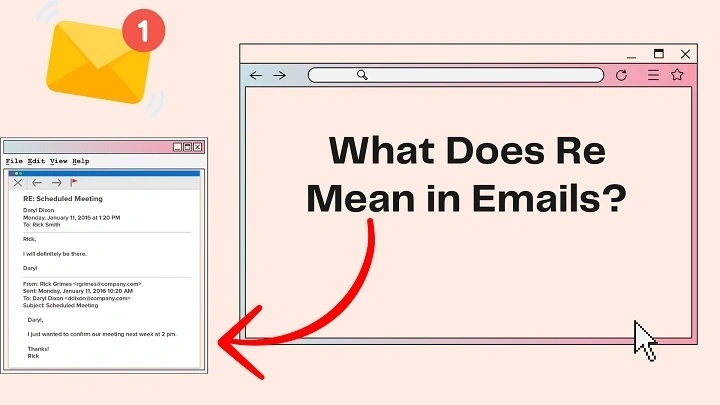
There it is again. Right up front. The tiny “Re:” tagging along in your inbox subjects. Seen that? Sure you have. Shows up constantly, doesn’t it – so much it fades into the background. Yet somehow, plenty of people are still unclear on what those two letters actually say.
Not everyone agrees on what it stands for. For some, it’s short for “reply.” To others, it signals the topic at hand. A few hesitate each time they hit send, unsure whether that line stays or goes.
That little word actually carries weight. Tone shifts based on subject lines. Expectations form before the email’s even opened. At work, clarity hides in these subtle choices – how a message lands often depends on them.
Now here’s a look at what “Re” really stands for, its roots, how it fits into current usage, while also considering smart approaches for dealing with it by 2026.
What Does “Re” Really Mean?
Here’s what it means. When you see “re,” think of it as pointing back – like a note saying we’re picking up an old thread. That word? Just shorthand for bringing attention to something discussed before.
Okay, sure. Lots of folks assume it stands for “reply.” Seems logical. After all, it appears during replies. Not quite – actually points to the subject, not the act of responding.
Think of it this way: “Re” is like saying, “Hey, we’re still talking about that same thing from before.”
Where Did This “Re” Thing Come From?

This goes way back. Like, way before email was even a thing. “Re” comes from Latin, where it meant “about” or “concerning.” People used it in fancy letters and legal papers.
When email came along, it just borrowed this old trick. Made sense to keep using it for ongoing chats. Then email programs started adding it automatically when you hit reply. That’s why everyone thinks “Re” means reply now. The computers made us think that way!
Why Does “Re” Pop Up By Itself?
Your email program is trying to help. When you click reply, it slaps “Re:” on there. Why? To keep your chats organized.
The computer figures if you’re replying, you’re probably talking about the same thing. So it adds “Re” to show it’s all connected. Pretty handy, right? Even if it’s not exactly what the word means.
But Wait – Does “Re” Always Mean It’s a Reply?
Right away, a fresh message might still carry “Re.” True, most times it follows earlier talk. Yet some folks drop it even when starting out of nowhere.
Imagine opening an inbox. A message sits there titled Re Budget Meeting though it is new. No reply happened yet. Still that word re appears. It ties back to budget talks already happening. Think of re as short for about or concerning. The topic stays in view without needing a response first. Funny how one little term does so much work
What’s the Deal with “Re” vs “Fwd”?
One thing is clear – they aren’t the same. Staying on track? That’s what “Re” shows. Passing it along? That’s when “Fwd” steps in.
Finding the difference means your inbox stays clear instead of piling up.
Should I Keep That “Re” or Ditch It?
Most times? Keep it. It helps people know your email is part of an ongoing chat.
Take it out and your email might seem random. Even when it’s clearly a reply. But hey, sometimes you need to change things up.
When Should I Edit or Remove “Re”?
Chats change, right? What starts as one thing can turn into something totally different. When that happens, keeping the old “Re” can confuse people.
Before you change anything, ask yourself: Does this message really belong with the original topic?
Maybe edit or remove “Re” when:
- The topic has totally changed
- You’re starting a new chat
- The old subject doesn’t fit anymore
- A new subject would be way clearer
Fresh subject lines = better communication.
What’s Up with “Re: Re: Re:”?
Seen this before? It means the email has bounced back and forth a ton. Usually happens with older email systems.
Most new email programs squish these into just one “Re.” But old ones? They just keep stacking them up. Not a big deal, but it can look pretty messy.
Is Using “Re” Unprofessional?
Not at all! “Re” is normal. Expected, even. Especially in work emails. Using it right doesn’t hurt your professional image one bit.
Problems only pop up when subject lines don’t match what’s inside. Or when topics change but the subject stays the same. Being professional means being clear. “Re” helps with that.
Stuff People Get Wrong About “Re”
Let me clear up some confusion. People think all sorts of wrong things about this little word.
Common mix-ups:
- “Re” means “reply” (nope!)
- You can only use “Re” when replying (wrong again)
- Taking out “Re” looks more professional (it doesn’t)
- “Re” is old-fashioned (still going strong!)
The truth is, “Re” works just fine in 2026.
“Re” in Business and Legal Emails
In work and legal emails, people often add “Re” on purpose. Not just letting the computer do it. Why? To be super clear about the topic.
Lawyers might even start a brand new email thread with “Re:” to show what it’s about. See? It really does mean “regarding.”
Also Read: How to Send Email to Text: A Complete, Practical Guide for 2026
Should I Type “Re” Myself?
Usually? Nah. Your email program handles it. Only add it yourself if you’re talking about something from before in a totally new email.
If you do add it, make sure it makes sense. Don’t confuse people by using it wrong.
“Re” or “Regarding” – Which Is Better?
Some folks like typing out “Regarding” instead of just “Re.” Both work fine. Just different styles.
“Re” is quick and normal. “Regarding” is more formal and spelled out. Pick what feels right for your email and who you’re writing to.
How Email Threading Works with “Re”
Email programs use subject lines to group messages together. “Re” helps them figure out which emails go together.
Change the subject too much? Your emails might scatter all over the inbox. Keep “Re” when it makes sense. It helps the conversation flow.
Is “Re” Still a Thing in 2026?
You bet! Even with all the new ways we chat, “Re” isn’t going anywhere. Email still needs subject lines to stay organized.
“Re” sticks around because it does its job well.
How “Re” Changes Your Email’s Vibe
It’s subtle, but “Re” tells people your email fits into what you’ve already been talking about. Not some random new thing.
This can make your email feel friendlier. Less demanding. Little signals like this make communication smoother.
Best Ways to Use “Re” Right
Using “Re” well is mostly about being clear. Make sure your subject matches what’s inside.
Here’s what works:
- Keep “Re” for ongoing chats
- Update subjects when topics shift
- Don’t stack unnecessary prefixes
- Make sure the subject still fits
These habits keep everyone on the same page.
The Quick Wrap-Up
That little “Re” up top? Actually stands for “about,” not “answer.” Ties your message back to an earlier talk. Folks mix that up a lot. Truth is, it never meant reply at all.
Last year of the decade? Yep – “Re” stays cool, works fine at work too. Used wisely, clarity wins in messages because structure follows. Focus sharpens when replies link neatly.
FAQs
What does “Re” mean in email ?
It means “regarding” – talking about a topic from before.
Does “Re” stand for “reply” ?
Nope! It comes from Latin meaning “about” or “concerning.”
Should I delete “Re” from emails ?
Only if the topic changed big time. Otherwise, keep it for clarity.
Can I use “Re” in work emails ?
Totally! It’s standard and everyone expects it.
Why do some emails show lots of “Re:” stacked up ?
Old email systems keep adding them when messages go back and forth.
