
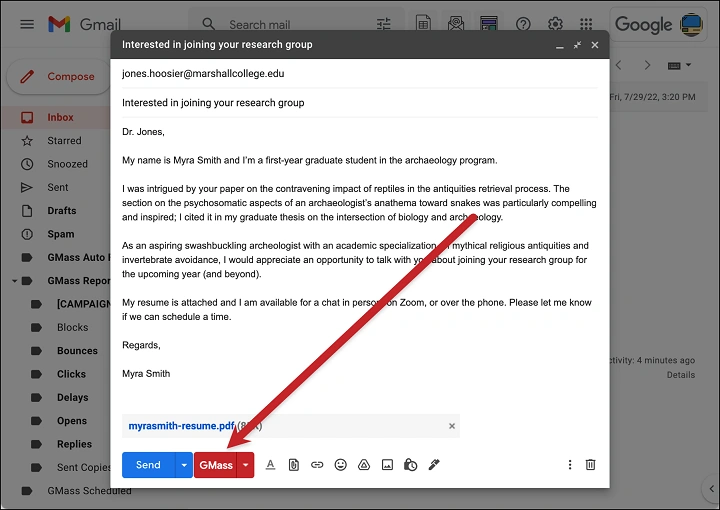
Templates for reaching out to academics usually fall flat — not because the format is wrong, but because they misunderstand how scholars focus their attention. Scholars are not gatekeepers blocking entry. They are researchers sorting information while working under heavy pressure. Their inboxes fill not only with spam, but also with requests for partnerships that demand time and energy.
An unsolicited email does not need to impress. Its real purpose is reducing the effort required to respond.
Why Many Academic Email Templates Fail

Many templates focus on politeness or highlighting the sender’s credentials. These elements are not useless, but they do not address the real obstacle: the amount of thinking required from the reader.
Imagine a professor facing eighty emails in a single morning. Praise slows them down. What helps is clear information, specific purpose, and evidence that effort already happened before writing the message.
Starting with “I hope this message finds you well” adds no value. It simply shows that the writer is following a script.
Replace Praise With Insight
Instead of opening with admiration for a professor’s recent article, a more useful approach is to show insight related directly to their research.
Recognition works better when it appears through understanding rather than repetition.
Example opening:
“Signal decay calculations might shift if your 2021 cortical loop analysis included fluctuating dopamine delays.”
The focus stays on the research idea rather than on compliments.
State the Purpose in Fewer Than Twelve Words
Begin by explaining what you need clearly and briefly.
“I gather results from different labs.”
This sentence communicates purpose faster than vague statements about possible collaboration. Precision reduces the effort required to understand the request.
| Opening Style | Result |
| Vague collaboration idea | Requires interpretation |
| Clear task description | Easy to understand |
| Long introduction | Slows reading |
| Direct statement | Reduces effort |
The Three Core Parts of the Message
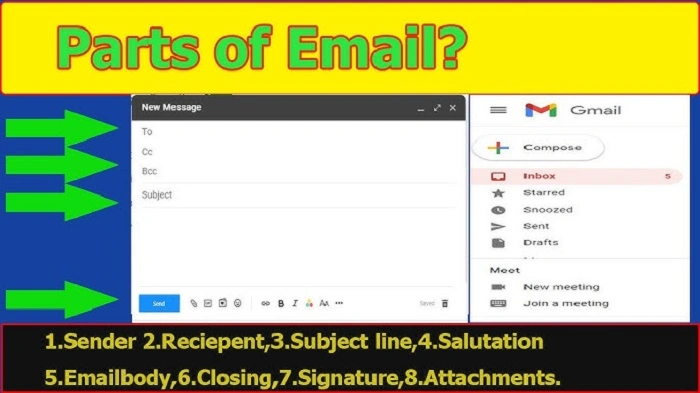
This section carries three responsibilities.
First, show that you read the scholar’s work by mentioning a specific method from one paper and comparing it with another idea. Second, state exactly what you need. The request should be narrow and clear.
Examples of requests:
- Questions about a dataset
- Clarification about a method
- Permission to use a tool
Third, allow silence to mean lack of interest. Many researchers worry about being trapped in ongoing conversations. A sentence explaining that no reply after ten days means the timing is not right removes pressure.
Share Working Notes Instead of Attachments
Attachments are often ignored. A shared document works better. A simple Google Doc titled with your name, the date, and one idea keeps things clear.
Structure it like early research notes.
- What problem appears
- What attempts already failed
- What question remains unresolved
Avoid calling the document a proposal.
| Sharing Method | Outcome |
| Large attachment | Often ignored |
| Working document link | Easier to review |
| Long proposal format | High effort |
| Short research notes | Faster understanding |
Timing Can Affect Visibility
Tuesday mornings often receive more attention than expected. Early hours before ten sometimes reach the inbox during a slower period. Midweek timing fits naturally into routine workflows.
Weekend messages face different conditions. The issue is not competition with other emails. It is the shift in mindset when people use screens for personal activities rather than work.
Keep the Message Plain
Plain text emails perform better. Many institutions in Europe block HTML formatting because automated systems treat it as spam.
Avoid elements such as:
- Emojis
- Colored text
- Decorative lists
Using initials with periods, such as “J. Smith,” often helps messages reach inboxes more reliably.
Keep Contact Information Minimal
Include only necessary details.
Provide:
- ORCID ID if available
- Current institution
Leave out phone numbers, street addresses, and links to social media accounts. A single reliable way to reply is enough.
| Contact Detail | Recommendation |
| ORCID ID | Include if available |
| Institution | Include |
| Phone number | Skip |
| Street address | Skip |
| Social links | Skip |
Sender Domain Matters
Email origin affects delivery. Messages from university domains such as .edu or .ac.uk appear in main inboxes more often than those sent from free email services.
Data from the company MXToolbox shows that university domains reach primary inbox placement roughly twenty-three percent more frequently than Gmail accounts.
If access to such an address is unavailable, sending the message through a colleague who has one can improve visibility.
Avoid Over-Personalization
Adding too many personal details can create problems. Mentioning a conference talk or presentation may appear thoughtful, but mistakes in those references damage trust quickly.
Tracking tools that monitor when emails are opened also fail frequently because many organizations block tracking pixels entirely.
Simple messages avoid these risks.
Offer Something Useful Immediately
A stronger approach involves giving something useful right away instead of promising future collaboration.
Example:
“I collected failure records from three attempts using your method and can share them.”
Providing something concrete often encourages response more effectively than promises.
Avoid Status Language
Expressions such as “your high-impact work” sound flattering but rarely feel sincere. In many academic fields, reliance on journal impact factors is decreasing, and some journals no longer display them.
Simple, direct language works better.
When to Send a Follow-Up
A single follow-up message about nine days later increases the chance of a response significantly. Studies observing professors’ email habits have found that replies often increase after one reminder.
Additional follow-ups after that point tend to lose effectiveness quickly.
| Follow-Up Timing | Effect |
| First message | Initial chance |
| Follow-up after nine days | Higher response chance |
| Multiple reminders | Rapid decline in replies |
Deadlines Can Provide Context
Mentioning a real deadline can help explain urgency. For example, a grant expiring in four weeks offers context without sounding demanding.
This information simply explains the timing rather than pushing the recipient.
Also Read: Remittance Emails: The Quiet Messages Behind Global Money Transfers
Start With Purpose, Not Formalities
Opening lines should focus on purpose rather than formal greetings. A subject line such as “Data request: [Specific Dataset] for Replication Study” communicates intent immediately.
Clear subject lines draw attention more effectively than vague ones.
Avoid Repeating the Recipient’s Name
Using the recipient’s name multiple times inside the message draws attention in ways that can feel forced. The signature already includes the name, so repeating it elsewhere adds little value.
FAQs
Should academic emails begin with greetings?
Not necessarily. Starting with purpose can reduce reading effort.
Why avoid attachments in the first message?
Attachments often go unopened. Shared documents are easier to review.
Does email timing matter?
Yes. Midweek mornings often receive more attention.
Why keep emails short?
Short messages require less effort to read and respond.
Should you send a follow-up email?
Yes. One follow-up after about nine days can increase replies.
There is no perfect script for contacting academics. What matters most is reducing effort for the reader. Clear purpose, specific requests, and visible preparation remove barriers before the conversation even begins.
Charm and praise rarely capture attention in academic inboxes. Clarity and precision do. When confusion disappears, responses become easier to give.
